Рослини на літеру W
415 рослин
Warnstorfia fluitans
Warnstorfia fluitans
вид рослин
Warnstorfia sarmentosa
Warnstorfia sarmentosa
вид рослин
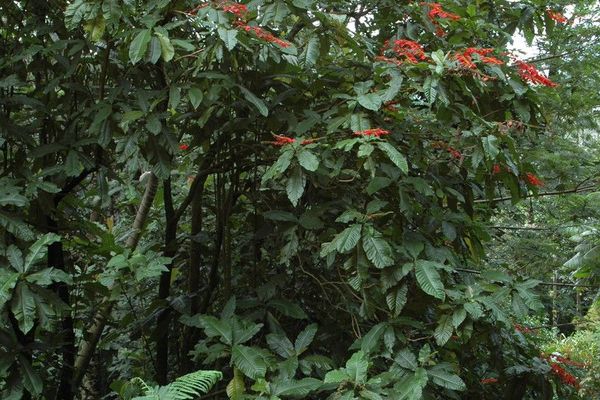 Багаторічна
Warszewiczia coccinea
Warszewiczia coccinea
вид рослин
 Багаторічна
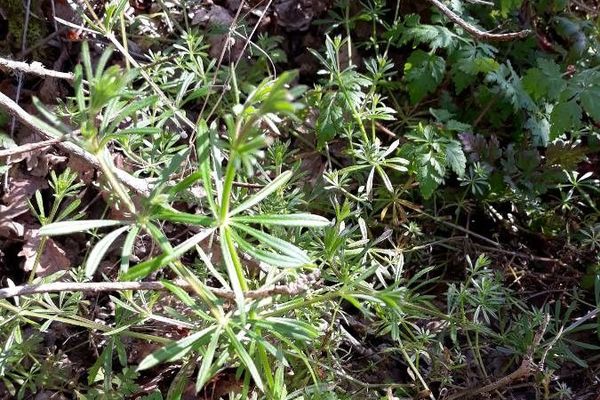
Warty bedstraw
Galium verrucosum
вид рослин
Wasabi (Japanese Horseradish)
Eutrema japonicum
Plant in consistently moist, cool, well-oxygenated, slightly acidic, fertile soil in partial to full shade; wasabi is one of the most challenging and rewarding edible plants a gardener can grow, requiring very cool temperatures (46–70°F) and near-constant moisture. In Japan it grows along cold mount
Washington Hawthorn
Crataegus phaenopyrum
Washington hawthorn is the most widely planted of all native North American hawthorns in cultivation — an exceptionally ornamental small tree with multiple seasons of interest: dense clusters of white flowers in May, glossy, deeply lobed leaves turning orange-red in fall, and abundant clusters of sm
 Багаторічна
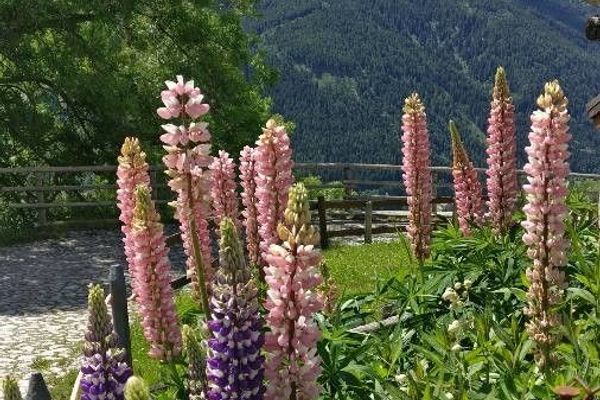
Washington lupin
Lupinus polyphyllus
Many Lupinus species are nitrogen-fixers, helping improve soil fertility. Some Lupinus species are adapted to dry conditions, have drought tolerance, and tolerate poor soil. Lupines are especially attractive to bees and butterflies. The flowers produce abundant nectar and pollen, providing a valuable food source. Birds are attracted to lupines for the seeds, which ripen in pods later in the season. Large-leaved lupine (L. polyphyllus) is not generally considered edible; the seed contains high al
Water Hickory
Carya aquatica
Water Hickory is the hickory of the riverine swamps, bottomland hardwood forests, and floodplain edges of the southeastern coastal plain, native from Virginia to Florida and west to Illinois and Texas, where it grows alongside bald cypress, water tupelo, and swamp chestnut oak in the seasonally floo
Water Locust
Gleditsia aquatica
Water Locust is the swamp-adapted cousin of Honey Locust (Gleditsia triacanthos), native to the permanently flooded bottomlands, river swamps, and slough edges of the southeastern and south-central United States from South Carolina and Florida west to Illinois and Texas, where it tolerates standing
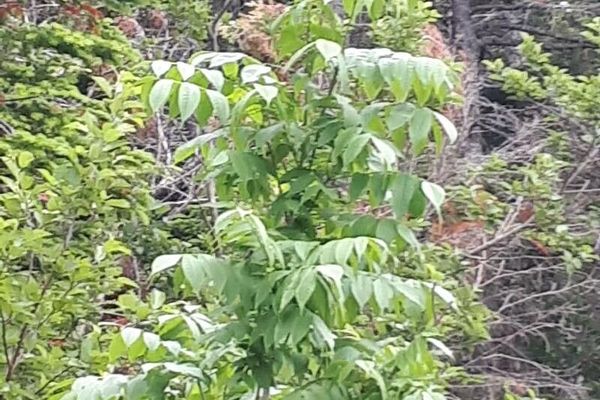
Water Tupelo (Tupelo Gum)
Nyssa aquatica
Plant in wet to seasonally flooded, slightly acidic to neutral, clay to loamy bottomland soil in full sun to partial shade — water tupelo is one of the dominant trees of the Deep South's most iconic wetland ecosystems: the cypress-tupelo swamp. It develops a dramatically buttressed, swollen trunk ba
 Багаторічна
Water ash
Fraxinus nigra
вид рослин
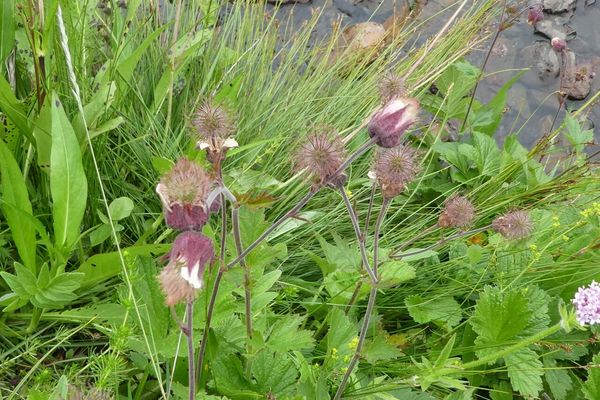 Багаторічна
Water avens
Geum rivale
вид рослин
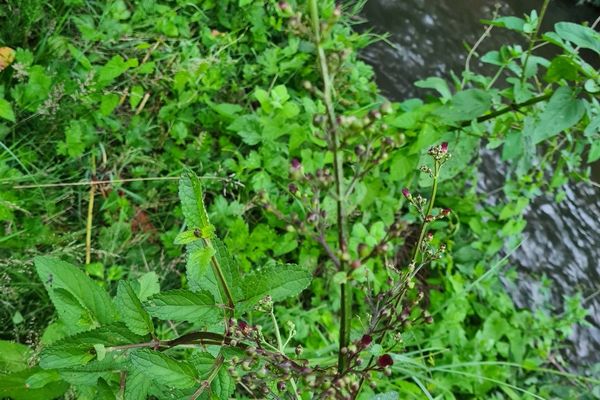 Багаторічна
Water betony
Scrophularia auriculata
вид рослин
 Багаторічна
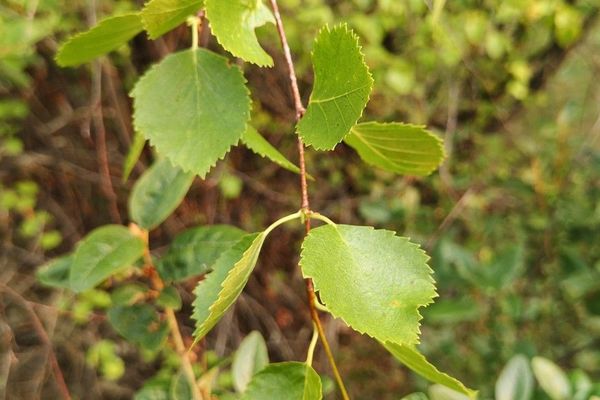
Water birch
Betula occidentalis
вид рослин
 Багаторічна
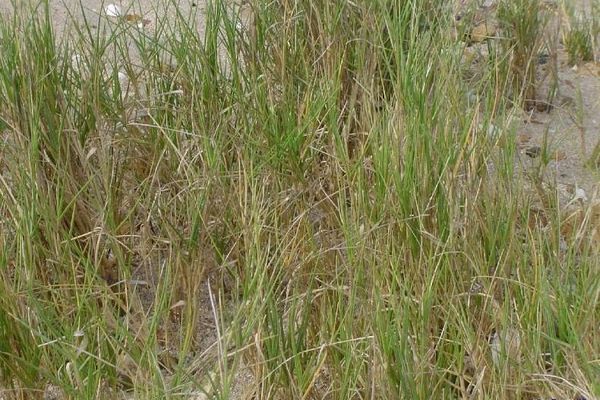
Water couch
Sporobolus virginicus
Seashore dropseed is a low, mat-forming native perennial grass of coastal sand dunes, beach margins, and salt flats throughout the Gulf and Atlantic coasts — one of the most salt-tolerant of all native grasses, it thrives directly behind the beach berm where salt spray and occasional saltwater flood
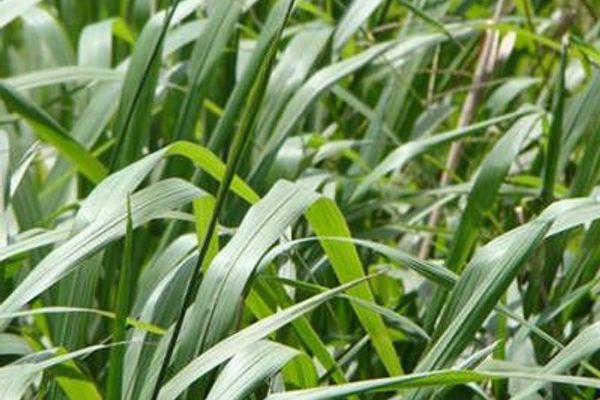 Багаторічна
Water couch
Paspalum virgatum
вид рослин
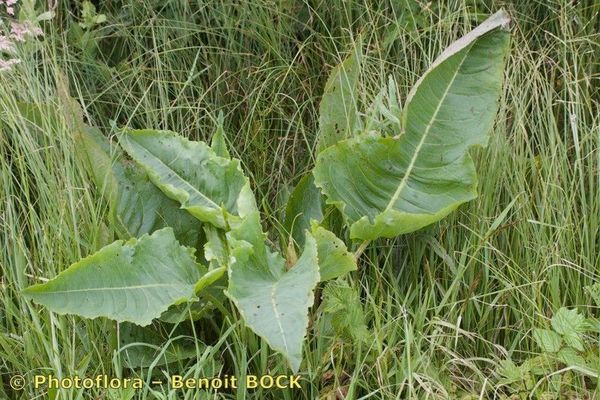 Багаторічна
Water dock
Rumex aquaticus
вид рослин
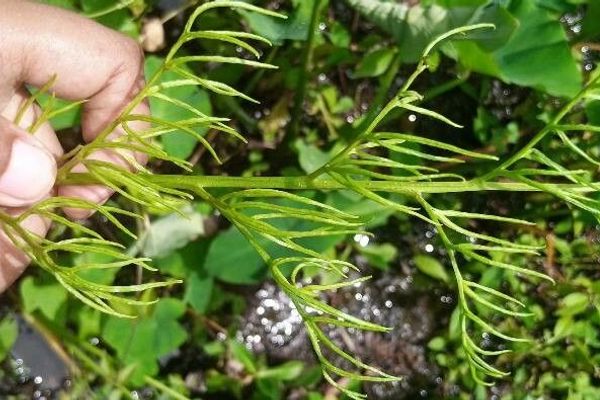 Багаторічна
Water fern
Ceratopteris thalictroides
вид рослин
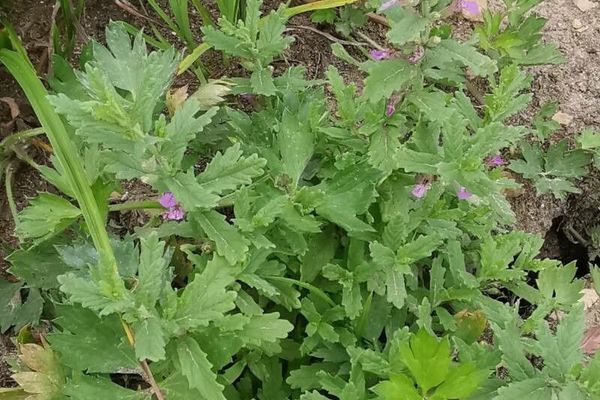 Багаторічна
Water germander
Teucrium scordium
вид рослин
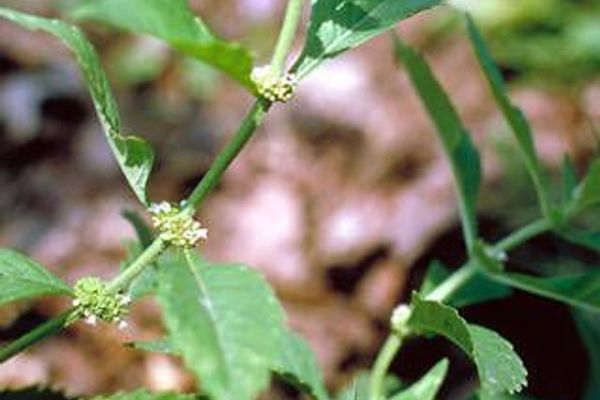 Багаторічна
Water horehound
Lycopus virginicus
вид рослин
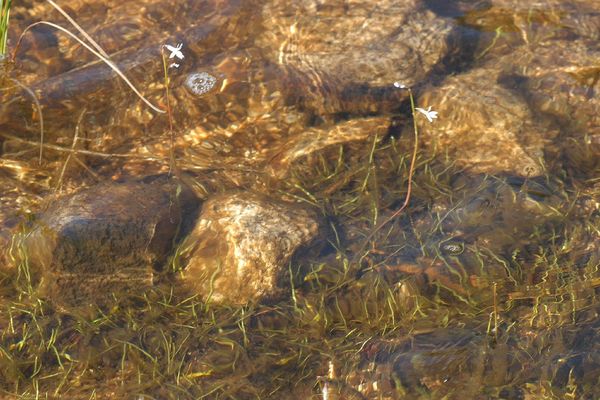 Багаторічна
Water lobelia
Lobelia dortmanna
вид рослин
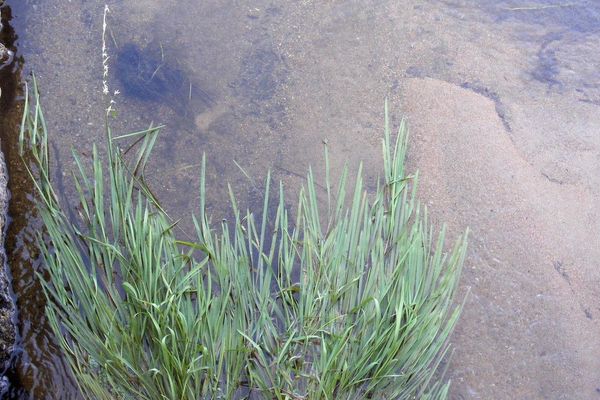 Багаторічна
Water mannagrass
Glyceria fluitans
вид рослин
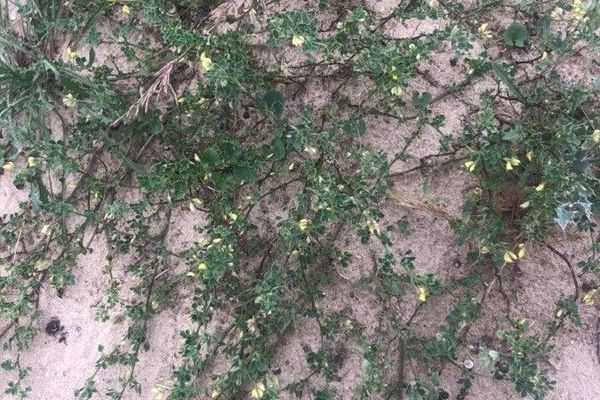 Багаторічна
Water medick
Medicago littoralis
вид рослин
 Багаторічна
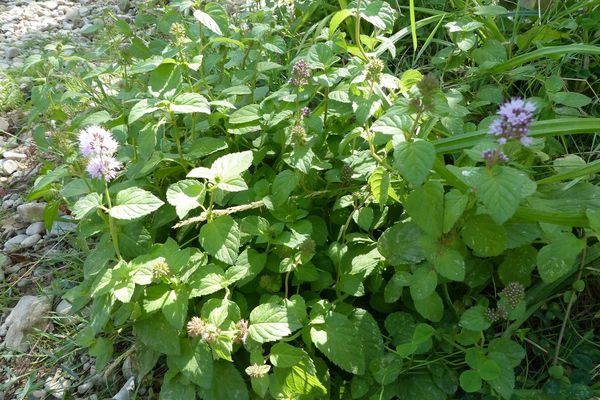
Water mint
Mentha aquatica
Mentha species, Mint species (Lamiaceae or Labiatae) are a family of aromatic plants native to Europe, Africa and Asia. With over 30 genera and 600 species, they are one of the most prominent families of flowering plants. Mints are characterised by their square stems, opposite leaves, and often strong minty smell. Some familiar genera include Mentha (peppermint, spearmint), Salvia (sage) and Lavandula (lavender). Mint species are grown for their aromatic edible leaves eaten raw or cooked. Use as