Каталог рослин
Знайдено 12 142 рослин
Brachythecium salebrosum
Brachythecium salebrosum
вид рослин
Brachythecium turgidum
Brachythecium turgidum
вид рослин
Brachythecium velutinum
Brachythecium velutinum
вид рослин
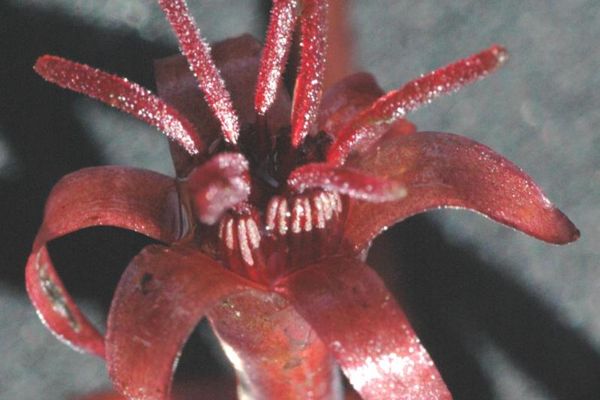
Blue Hesper Palm (Mexican Blue Palm)
Brahea armata
Plant in very well-drained, dry to moderately moist, alkaline to neutral soil in full sun — blue hesper palm is arguably the most ornamentally striking palm in the world for dry climates, producing enormous, rigid, deeply divided, silvery powder-blue fan fronds up to 6 feet across on a stout, solita
 Багаторічна
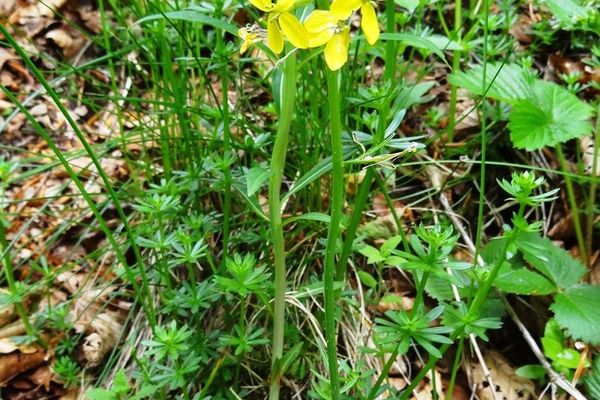
Brasenia schreberi
Brasenia schreberi
Water Shield is a distinctive native floating-leaf aquatic plant found in slow ponds, lakes, bogs, and sluggish streams throughout North America, Asia, and Australia, immediately identifiable by the thick, gelatinous mucilage that coats the undersides of the small, peltate (shield-shaped), olive-gre
 Багаторічна
Brassica barrelieri
Brassica barrelieri
вид рослин
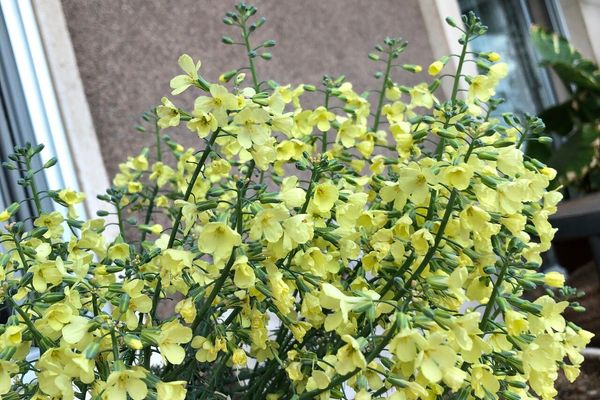
Brassica carinata
Brassica carinata
Broadcast at about 0.25-0.5 lb per 1,000 sq ft and rake to cover roughly 0.25 inch deep in warm soil. Ethiopian mustard is more heat and drought tolerant than white or brown mustard, making it useful for summer biofumigation windows. Its high glucosinolate content suppresses nematodes and soilborne
 Багаторічна
Mustard
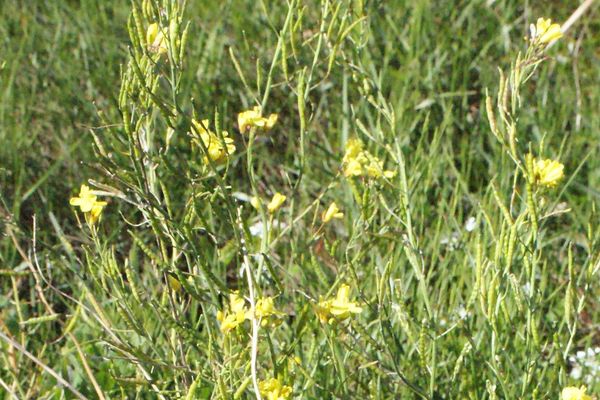
Brassica cretica
вид рослин
 Багаторічна
Wild turnip
Brassica fruticulosa
вид рослин
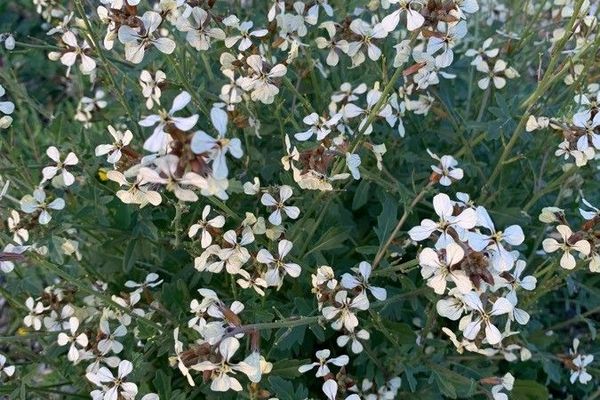 Багаторічна
India mustard
Brassica juncea
Broadcast at about 0.25-0.5 lb per 1,000 sq ft and rake lightly to cover 0.25 inch deep in a moist seedbed. Brown mustard is a high-glucosinolate brassica valued as a biofumigant that suppresses soilborne pests and weeds. For best biofumigation, mow or flail at early flowering when biomass peaks and
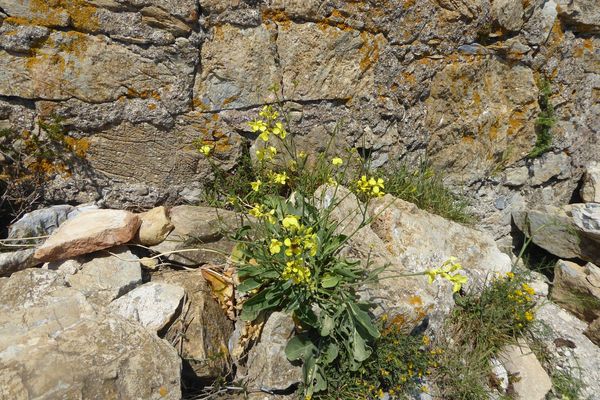 Багаторічна
Brassica montana
Brassica montana
вид рослин
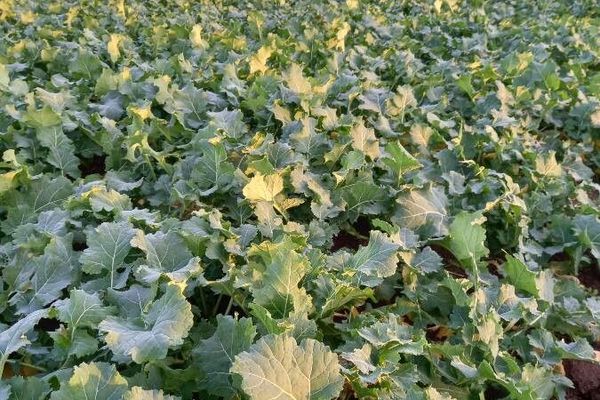 Багаторічна
Rape
Brassica napus
Broadcast at about 0.25-0.5 lb per 1,000 sq ft and rake to cover 0.25-0.5 inch deep in a firm seedbed. Winter-type oilseed rape develops a deep taproot that breaks up compacted subsoil and scavenges nitrogen and sulfur. Overwintering plants bolt and flower in spring, providing early forage for polli
Rutabaga
Brassica napus var. napobrassica
Sow seeds 1/2 in deep in fertile, well-drained soil; rutabagas need more time and space than turnips to produce their large storage roots. Thin to 6–8 in once seedlings are established and keep soil evenly moist to prevent splitting. Flavor is significantly improved by frost, so aim to leave roots i
Kale Microgreens
Brassica napus var. pabularia
This Siberian kale germinates quickly, so sow it densely on a moist tray and blackout for just a couple of days. Once the stems stretch, uncover and provide bright light to build sturdy, deep-green shoots. Keep the surface evenly moist and give gentle airflow to discourage mold. Cut the tender, mild
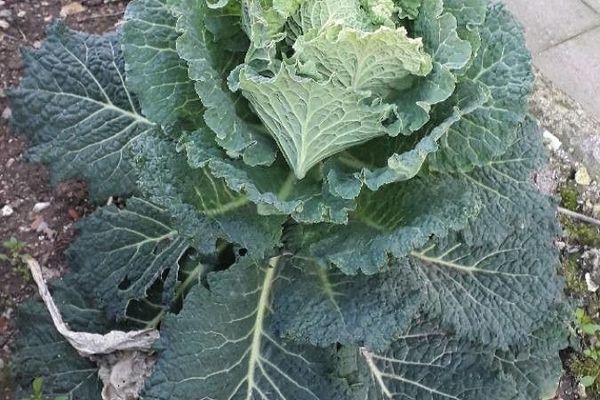 Багаторічна
Cabbage
Brassica oleracea
Sow this blend of curly, flat-leaf, and oak-leaf kales thickly in a band for baby-leaf harvests, or thin to 6 inches for full-size plants. Direct-seed 1/4 inch deep as soon as soil can be worked in spring, and again in late summer for a fall crop. Cut outer leaves at 3-4 inches for tender salad gree
Forage Kale
Brassica oleracea var. acephala
Broadcast at about 0.2-0.4 lb per 1,000 sq ft and rake to cover 0.25 inch deep in a firm, fertile seedbed. Forage kale produces large amounts of leafy biomass and a fibrous root system that scavenges nitrogen and improves soil structure. It is very cold hardy and stays green well into winter, provid
Chinese Broccoli Kailaan
Brassica oleracea var. alboglabra
Also called gai lan, this Asian green offers tender flowering stems, juicy stalks, and leaves with a sweet, slightly bitter flavor. Sow seed directly half an inch deep and thin to six to ten inches apart. It is more heat tolerant than regular broccoli, so it can be sown across a longer season. Harve
Amethyst Cauliflower
Brassica oleracea var. botrytis
Start seed indoors 4 to 6 weeks before transplanting, then set out sturdy seedlings in rich, evenly moist soil. This variety forms striking purple, domed heads that mature early and reliably in spring or fall and hold color best with steady moisture. Vigorous plants tolerate a range of climates and
Brunswick Cabbage
Brassica oleracea var. capitata
Start seeds indoors about six weeks before setting out sturdy transplants, or direct sow in summer for a fall crop. This heirloom forms dense, flattened drumhead heads that tolerate hard frosts and store well. Keep the soil evenly moist and feed with nitrogen to build large heads, and harvest after
Brussels Sprouts
Brassica oleracea var. gemmifera
Sow 1/4 in deep indoors under bright lights; transplant into deeply prepared soil and stake tall plants against wind. When sprouts at the base reach marble size, remove the growing tip (topping) to concentrate energy and speed maturation of the remaining sprouts. Harvest sprouts from the bottom of t
Kohlrabi
Brassica oleracea var. gongylodes
Direct sow seed 1/4 in deep in cool, fertile soil and thin plants to 5–8 in to give the swollen stem room to develop. Keep soil consistently moist, as drought stress causes the bulb to become woody and strongly flavored. Harvest when the swollen stem is 2–3 in across for best tenderness; larger bulb
Aspabroc Broccolini
Brassica oleracea var. italica
Start seed indoors 4 to 6 weeks before setting out sturdy transplants into rich, evenly moist soil. This hybrid combines the mild, sweet flavor of broccoli with tender, asparagus-like stems and matures quickly. After the first central shoots, plants keep producing slender side shoots for multiple ha
Lacinato Kale
Brassica oleracea var. palmifolia
Also known as dinosaur or Tuscan kale, this heirloom features deep blue-green, bumpy-textured leaves with rich, mild flavor. Sow directly in spring or late summer, as it is a cold-hardy crop whose flavor sweetens after a frost. Thin plants to give the tall, upright rosettes room to develop. Harvest
Cavolo Nero Kale
Brassica oleracea var. sabellica
Also known as Tuscan or lacinato kale, this Italian heirloom bears puckered blue-black strap leaves used in soups and braises. Start indoors and transplant, or direct sow, spacing plants 15 inches apart in fertile soil. Harvest lower leaves first, working upward and leaving the growing crown intact