Каталог рослин
Знайдено 12 142 рослин
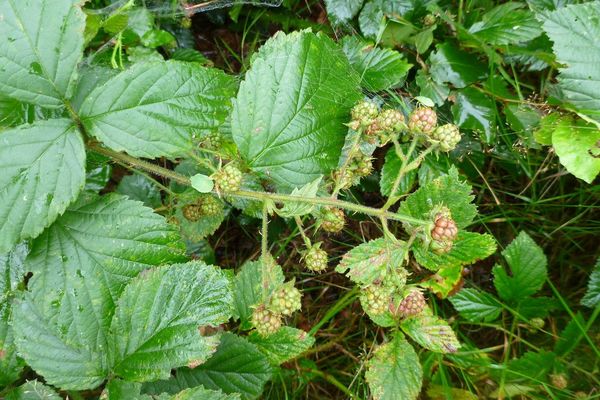 Багаторічна
Sprengel's bramble
Rubus sprengelii
вид рослин
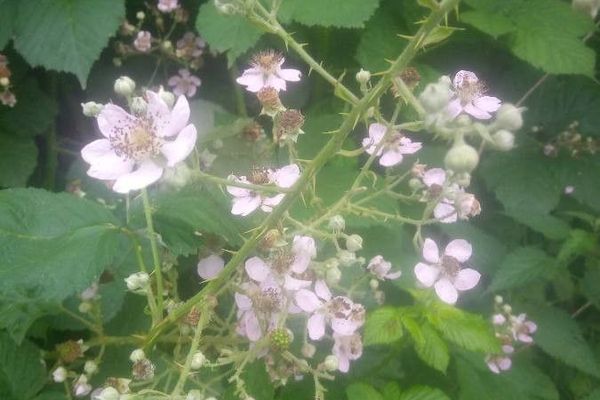 Багаторічна
Rubus sulcatus
Rubus sulcatus
вид рослин
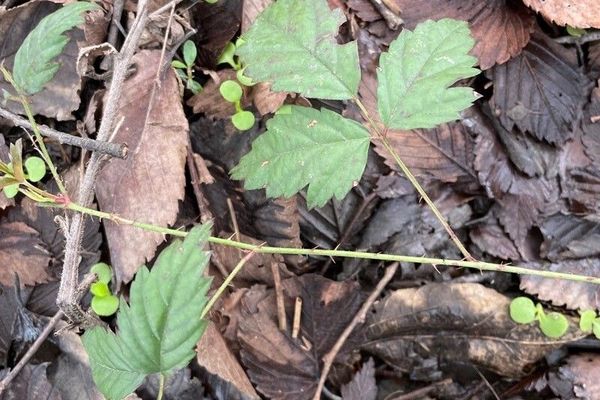 Багаторічна
Southern dewberry
Rubus trivialis
Plant rooted divisions in fall in well-drained, slightly acidic to neutral, loamy to sandy soil in full sun to partial shade — southern dewberry is the dominant wild trailing blackberry of the Gulf Coast and Deep South, carpeting open woodlands, roadsides, fencerows, and disturbed ground from Texas
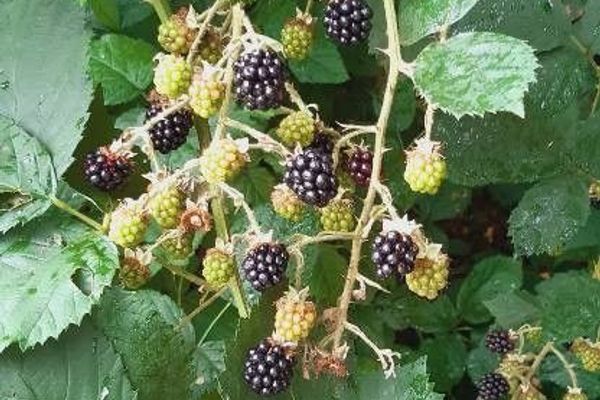 Багаторічна
Elm-leaf blackberry
Rubus ulmifolius
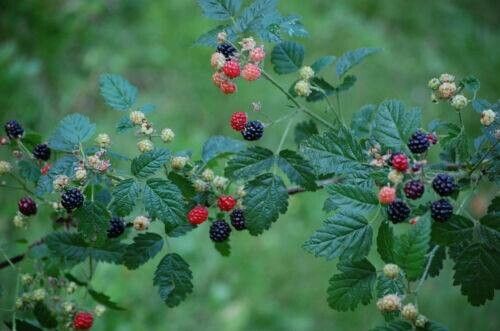
Elm-leaved Bramble (R. ulmifolius) is native to Europe and the Mediterranean. It prefers sunny, open areas and can thrive in poor, well-drained soils. Once established, it is drought-tolerant. Edible blackberries are used in jams and desserts or eaten fresh. Rubus are a diverse group of plants, including blackberries, raspberries and dewberries. They are all rose family members and are mainly native to the Northern Hemisphere. They are found in various habitats, including forests, meadows, and e
 Багаторічна
Pacific blackberry
Rubus ursinus
вид рослин
Boysenberry
Rubus ursinus x idaeus
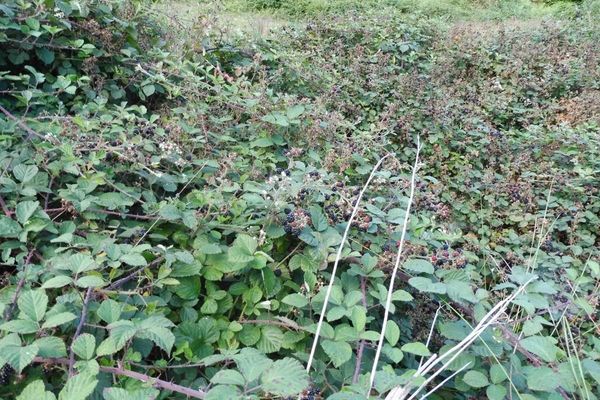
Boysenberries are vigorous trailing hybrids (blackberry x raspberry x loganberry lineage) that must be trained to a two- or three-wire trellis at 3 and 5 ft. Cut all fruited canes to the ground after the summer harvest and tie new canes along the wires for next year's crop. Harvest when berries turn
 Багаторічна
European blackberry
Rubus vestitus
вид рослин
 Багаторічна
Rubus wahlbergii
Rubus wahlbergii
вид рослин
Loganberry
Rubus x loganobaccus
Loganberry, a natural hybrid of blackberry and raspberry discovered in California in the 1880s, produces long, dark red, tart berries that are excellent for jams and wine. Train the vigorous trailing canes on a two- or three-wire trellis, weaving new primocanes along the wires during the growing sea
Royalty Purple Raspberry
Rubus x neglectus 'Royalty'
'Royalty' is a hybrid of red and black raspberry yielding large, richly flavored purple berries excellent for jam and baking. The tall, sturdy canes do not sucker as aggressively as red types and are best tip-pruned in summer to encourage lateral branching. Grow in full sun in fertile, well-drained
Rudbeckia amplexicaulis
Rudbeckia amplexicaulis
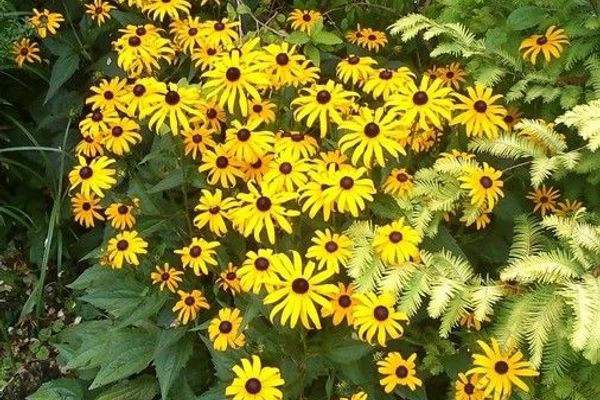
Clasping coneflower is a native annual of moist prairies, roadsides, and disturbed fields across the south-central United States, named for its distinctive stem-clasping leaves that wrap around the stalk — it stands apart from other coneflowers by producing a single, upright, daisy-like yellow flowe
 Багаторічна
Orange coneflower
Rudbeckia fulgida
Plant in well-drained, average to moderately fertile soil in full sun; Rudbeckia fulgida is the perennial species behind the famous 'Goldsturm' cultivar that revolutionized native plant gardening in the 1980s. Unlike the biennial R. hirta (common black-eyed Susan), this species returns reliably from
 Багаторічна
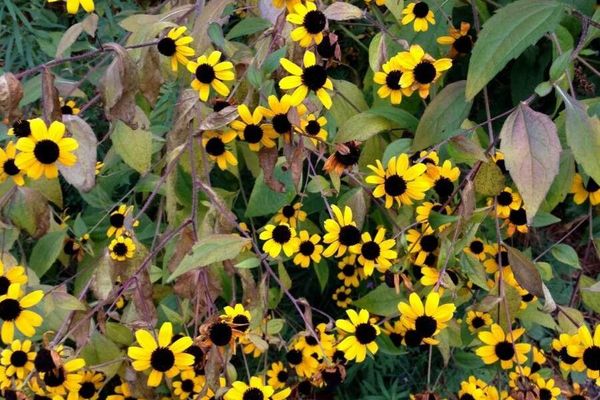
Black-eyed-susan
Rudbeckia hirta
Press black eyed Susan seed onto the soil surface in spring without covering, since light aids germination. This tough native produces golden petals around a chocolate-brown cone, blooming for months and drawing bees and butterflies. It tolerates heat, drought, and poor soil, and is generally left a
Cherry Brandy Rudbeckia
Rudbeckia hirta 'Cherry Brandy'
Surface sow this unique deep-red rudbeckia indoors eight weeks before the last frost, as light aids germination. Cherry Brandy produces rich burgundy daisies with dark centers, prized as long-lasting cut flowers. Transplant to full sun and average well-drained soil after frost danger passes. Deadhea
 Багаторічна
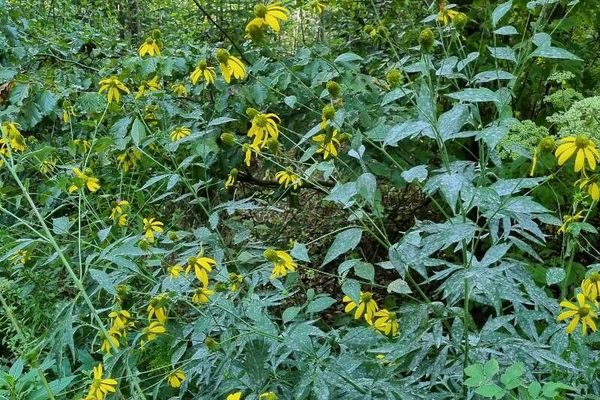
Tall coneflower
Rudbeckia laciniata
Cutleaf coneflower is the tallest of all North American coneflowers — commonly reaching 6–8 feet or more in moist, rich soil — producing long-stalked, deeply lobed leaves with a coarse, tropical texture and airy sprays of bright yellow, drooping-petaled flowers with a distinctive greenish-yellow dom
Sweet Coneflower
Rudbeckia subtomentosa
Sweet coneflower is one of the most fragrant of all native coneflowers — the flowers emit a noticeable sweet, anise-like scent, particularly on warm afternoons — and is native to moist to dry prairies, savannas, and open woodlands of the central United States from Texas to Illinois. Its 2-foot-wide
 Багаторічна
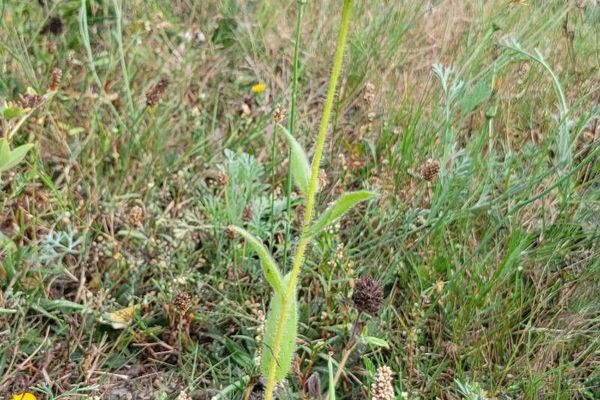
Thin-leaf coneflower
Rudbeckia triloba
Press seeds onto moist soil surface or cover very lightly; they need light to germinate and germinate readily in 7–14 days. Unlike Rudbeckia hirta, R. triloba is a true biennial-to-short-lived-perennial that produces abundant small golden-yellow flowers with a dark center from midsummer through hard
 Багаторічна
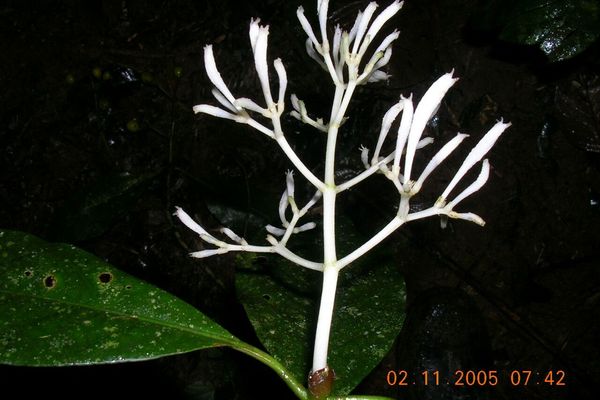
Rudgea jasminoides
Rudgea jasminoides
вид рослин
Ruellia blechum
Ruellia blechum
вид рослин
 Багаторічна
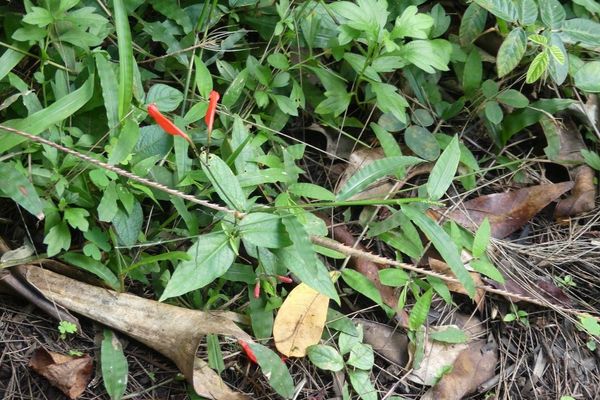
Tropical wild petunia
Ruellia brevifolia
вид рослин
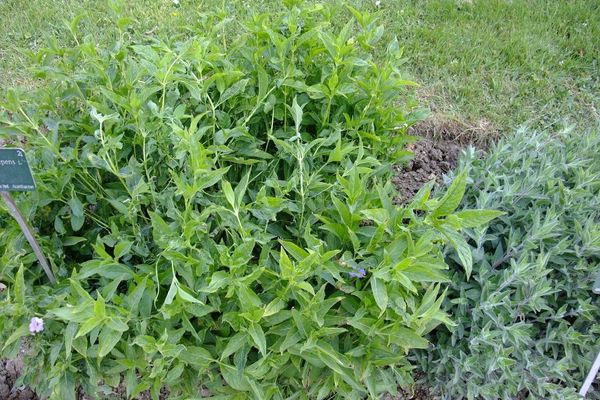
Ruellia caroliniensis
Ruellia caroliniensis
Direct sow in dry, sandy, slightly acidic, well-drained soil in partial shade to full sun; wild petunia is a delicate native wildflower of the dry sandy pine flatwoods and upland forests of the Southeast, producing lavender-blue tubular flowers resembling petunias (though not related) throughout the
 Багаторічна
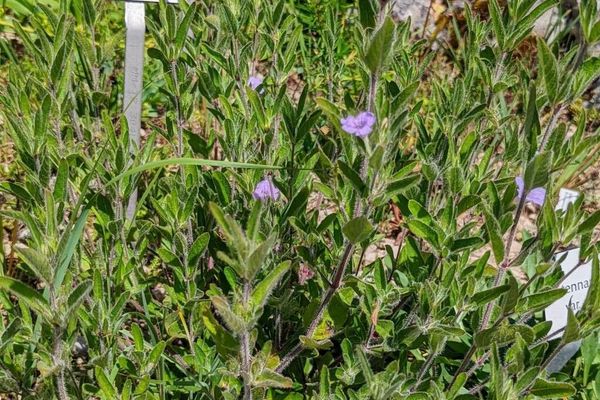
Ruellia geminiflora
Ruellia geminiflora
вид рослин
 Багаторічна
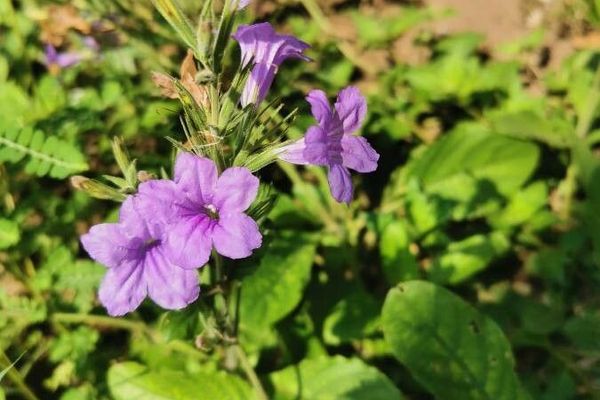
Fringe-leaf ruellia
Ruellia humilis
Sow seed in fall in well-drained, dry to average, slightly acidic to neutral soil in full sun to partial shade — wild petunia (Ruellia humilis) is a native prairie perennial that produces a continuous succession of lavender to pale violet, 1.5-inch funnel-shaped flowers remarkably similar in appeara
 Багаторічна
Violet wild petunia
Ruellia nudiflora
вид рослин