Фрукти
Hawthorn
Crataegus monogyna
Crataegus species Hawthorns are shrubs or small trees with small fruit and thorny branches. They have clusters of creamy-white flowers followed by red or black fruit. They are part of the rose family (apples, pears, plums, cherries, peaches and apricots) and native to temperate regions of the Northern Hemisphere, including Europe and North America. Once established, several Hawthorns succeed in dry soils and tolerate drought. A position in full sun is best when plants are grown for their fruit;
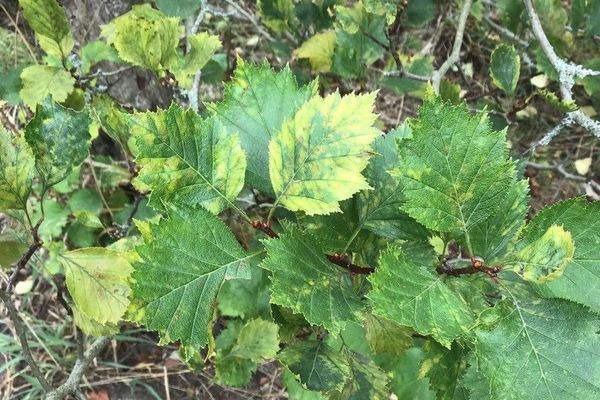 Багаторічна
Frosted hawthorn
Crataegus pruinosa
вид рослин
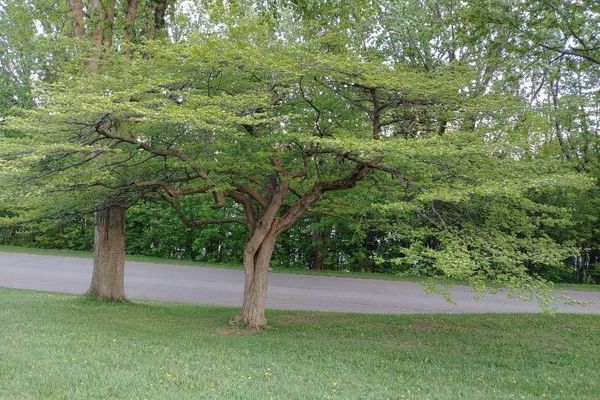 Багаторічна
Hillside hawthorn
Crataegus punctata
вид рослин
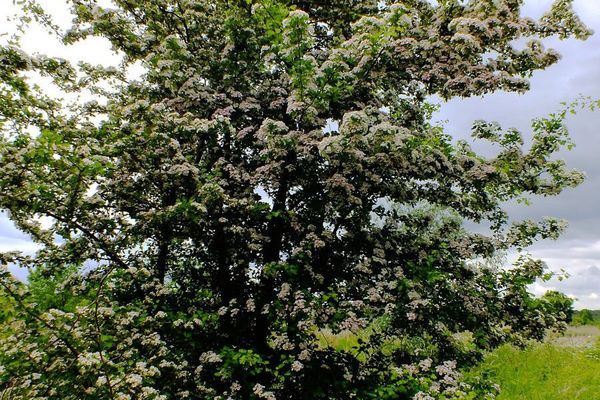 Багаторічна
Calycine hawthorn
Crataegus rhipidophylla
вид рослин
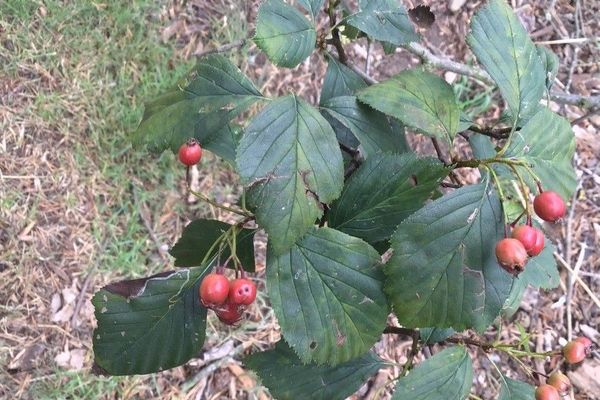 Багаторічна
Succulent hawthorn
Crataegus succulenta
вид рослин
 Багаторічна
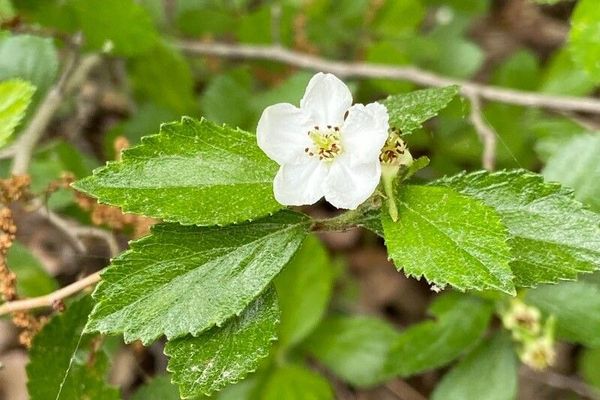
Dwarf hawthorn
Crataegus uniflora
вид рослин
 Багаторічна
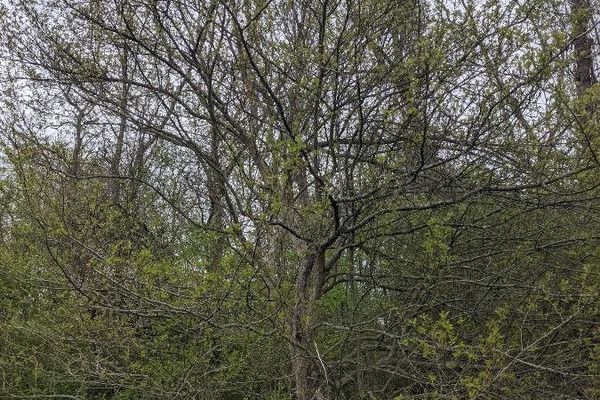
Southernthorn
Crataegus viridis
Plant in well-drained, slightly acidic to neutral, average soil in full sun to partial shade; green hawthorn — especially the cultivar 'Winter King' — is one of the finest native small trees for four-season ornamental value and wildlife habitat. In spring the tree is covered with small white flowers
 Багаторічна
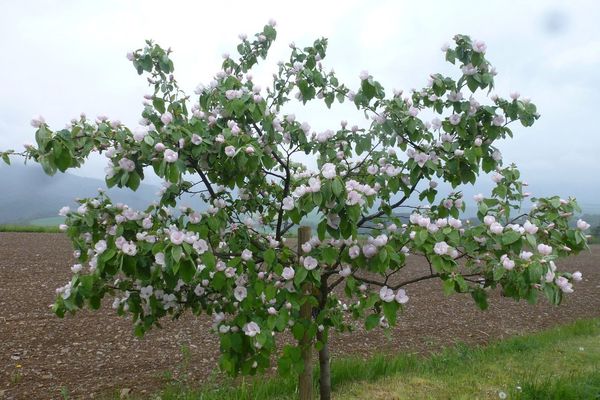
Quince
Cydonia oblonga
Quince is self-fertile and one of the easier tree fruits to grow, tolerating heavier and wetter soils than apples or pears. It needs 300–500 chill hours, which suits zones 5–9 broadly. The fruit is astringent and almost always cooked rather than eaten raw; it turns pink when heated with sugar and is
Dasiphora fruticosa
Dasiphora fruticosa
вид рослин
Black Sapote
Diospyros nigra
Black sapote is a relative of the Asian persimmon; when ripe its flesh turns chocolate-brown and has a rich, pudding-like flavor often described as chocolate mousse. Trees are dioecious or polygamous — plant at least two seedlings or a grafted female with a male nearby for reliable fruiting. They pr
 Багаторічна
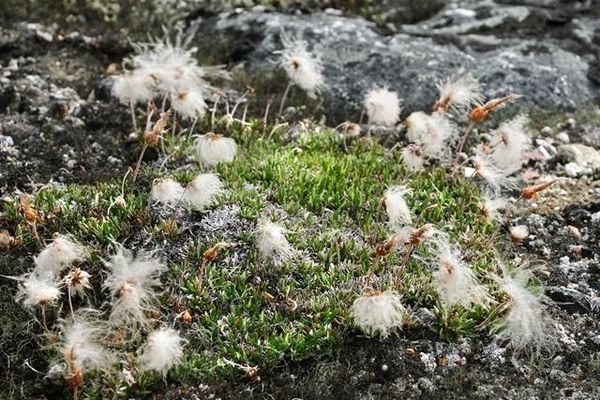
Entireleaf mountain-avens
Dryas integrifolia
вид рослин
 Багаторічна
Eight-petal mountain-avens
Dryas octopetala
Swiss tea is a classic alpine plant of the northern hemisphere, well-adapted to harsh, windswept, high-elevation environments. It is best known not as a food plant, but as a traditional herbal tea source made from its leathery evergreen leaves. While it has a long association with alpine landscapes and occasional historical use as a beverage, it is not a staple wild food and plays a much greater ecological and botanical role than a culinary one. Its presence often signals true alpine or subalpin
Drymocallis arguta
Drymocallis arguta
вид рослин
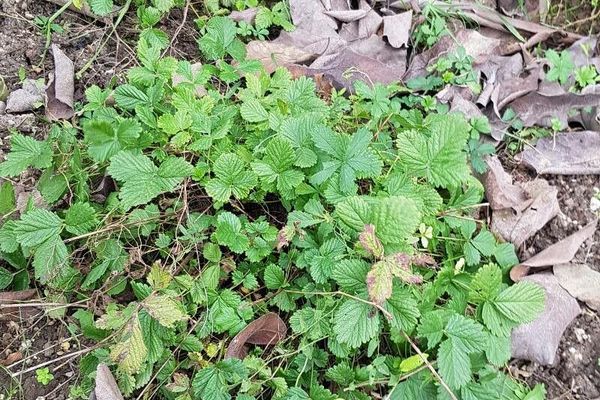
Drymocallis glandulosa
Drymocallis glandulosa
вид рослин
 Багаторічна
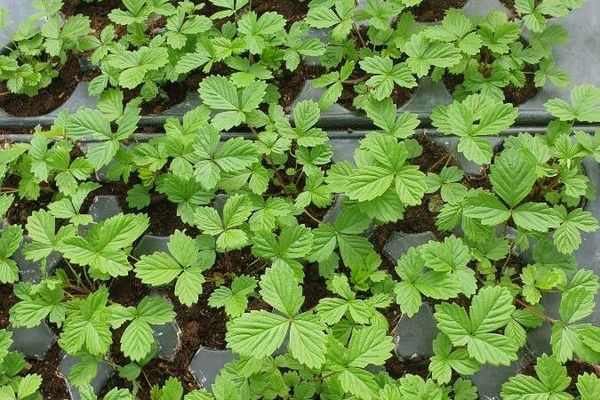
Siberian-tea
Drymocallis rupestris
вид рослин
 Багаторічна
Duchesnea chrysantha
Duchesnea chrysantha
вид рослин
Durian
Durio zibethinus
Durian demands deep, fertile, well-drained soil, high humidity, and temperatures between 75°F and 95°F year-round; it is the most climate-specific of the major tropical fruits and can only be grown outdoors in the most tropical parts of the continental United States (extreme south Florida). Flowers
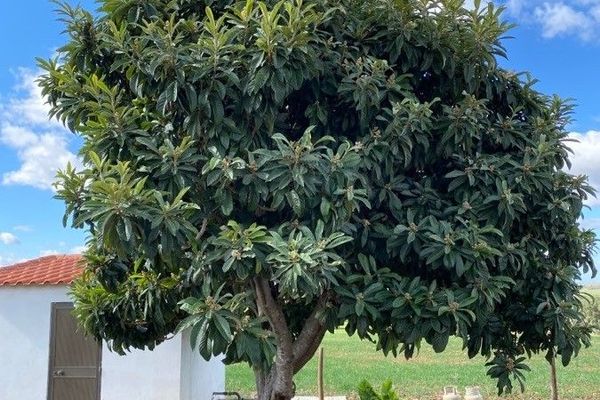
Bronze Loquat
Eriobotrya deflexa
The bronze loquat is grown both for its striking coppery new foliage and small, tart edible fruit. Plant in full sun on fertile, well-drained soil in a warm, sheltered position, as the flowers and young growth are frost-sensitive. Water regularly while establishing, then only during dry spells once
 Багаторічна
Loquat
Eriobotrya japonica
The evergreen Japanese loquat offers handsome, bold foliage and clusters of sweet-tart, apricot-like fruit that ripen in spring. It flowers in autumn, so late frosts can damage the developing crop in colder zones. Plant in full sun to partial shade in well-drained soil and water regularly while youn
Cherry of the Rio Grande
Eugenia aggregata
Plant in well-drained, slightly acidic, fertile, moist soil in full sun to partial shade; cherry of the Rio Grande is a Brazilian Eugenia species prized by subtropical fruit enthusiasts for its exceptional flavor — the dark red to purple, oblong, cherry-sized fruits have a rich, complex flavor that
Grumichama (Brazil Cherry)
Eugenia brasiliensis
Plant in moist, slightly acidic, well-drained to moderately moist soil in full sun to partial shade — grumichama is a beautiful small-to-medium Brazilian Eugenia producing glossy, deep burgundy-to-black cherries (3/4 inch) with sweet, soft, slightly acidic flesh and 1–3 seeds, eaten fresh, made into
Fig
Ficus carica
Common figs (the type grown in most gardens) are parthenocarpic and self-fertile — no pollinator or fig wasp is needed. In zones 6–7 protect the trunk and lower branches over winter by wrapping with burlap or mounding mulch; established roots often resprout even after top-kill. Figs bear two crops o
Brown Turkey Fig
Ficus carica 'Brown Turkey'
Plant in well-drained, average soil in full sun; Brown Turkey is among the most widely grown figs in the South and UK, valued for its large, mild, brownish-purple fruits and its exceptional vigor. It is a two-crop fig, producing a small breba crop in June on old wood and a main crop in late summer o
Celeste Fig
Ficus carica 'Celeste'
Plant in well-drained, average to sandy soil in full sun; Celeste is the most popular and cold-hardy fig in the Deep South, producing small to medium, violet-brown figs with a honey-sweet, rose-pink interior that ripen mid-July through August. It is the standard home garden fig from Virginia to Texa