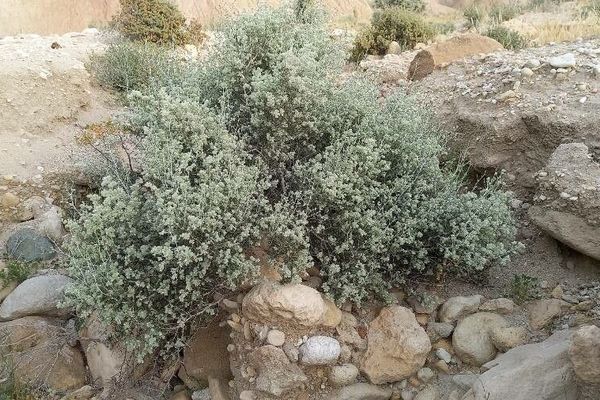
Mastic thyme
Thymus mastichina
Родина: Lamiaceae • Рід: Thymus
БагаторічнаСередньоДекоративна
Опис
Requires a light well-drained preferably calcareous soil in a sunny position[1, 200]. Succeeds in dry soils. Thymes dislike wet conditions, especially in the winter. A layer of gravel on the soil around them will help protect the foliage from wet soils. Plants are hardy to about -10°c, but are best given some protection in the winter - a pane of glass supported over the plant is usually sufficient. The flowers are rich in nectar and are very attractive to honey bees. The bruised leaves are powerfully aromatic. This is a very difficult genus taxonomically, the species hybridize freely with each other and often intergrade into each other. References Carbon Farming Information and Carbon Sequestration Information Temperature Converter Type a value in the Celsius field to convert the value to Fahrenheit: Celsius Fahrenheit: The PFAF Bookshop Plants For A Future have a number of books available in paperback and digital form. Book titles include Edible Plants , Edible Perennials , Edible Trees , Edible Shrubs , Woodland Gardening , and Temperate Food Forest Plants . Our new book is Food Forest Plants For Hotter Conditions (Tropical and Sub-Tropical) . Shop Now
Походження та ареал
EUROPE: Spain, Portugal
Корисні властивості
Edible Parts: Edible Uses: Condiment The leaves are used as a seasoning. They have a pungent eucalyptus-like aroma. If the leaves are to be dried, the plants should be harvested in early and late summer just before the flowers open and the leaves should be dried quickly. The plant is also the source of an essential oil, called 'oil of marjoram', that is used extensively as a flavouring for soups etc[4, 61, 177, 183, 238]. References More on Edible Uses
Поради
Seed - sow spring in a cold frame. Seed can also be sown in autumn in a greenhouse. Surface sow or barely cover the seed. Germination can be erratic. When they are large enough to handle, prick the seedlings out into individual pots and grow them on in the greenhouse for at least their first winter. Plant them out into their permanent positions in late spring or early summer, after the last expected frosts. Division in spring or autumn. Larger divisions can be planted out direct into their permanent positions. We have found that it is best to pot up smaller divisions and grow them on in light shade in a greenhouse or cold frame until they are growing away well. Plant them out in the summer or the following spring. Cuttings of young shoots, 5 - 8cm with a heel, May/June in a frame. Cuttings of half-ripe wood, 5 - 8cm with a heel, July/August in a frame. Layering.