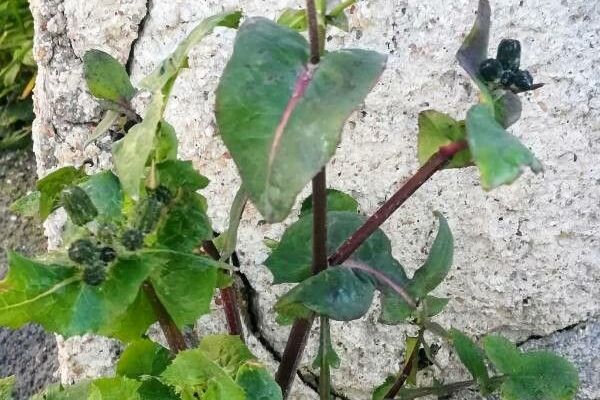
Common sowthistle
Sonchus oleraceus
Родина: Asteraceae • Рід: Sonchus
БагаторічнаСередньоДекоративна
Опис
Succeeds in most soils in a sunny position. This plant has been cultivated for its edible leaves by the Maoris of New Zealand. The plant is a good companion for onions, tomatoes, corn as well as the cucumber and squash family. In garden design, as well as the above-ground architecture of a plant, root structure considerations help in choosing plants that work together for their optimal soil requirements including nutrients and water. The root pattern is rhizomatous with underground stems sending roots and shoots along their length [2-1]. References Carbon Farming Information and Carbon Sequestration Information Temperature Converter Type a value in the Celsius field to convert the value to Fahrenheit: Celsius Fahrenheit: The PFAF Bookshop Plants For A Future have a number of books available in paperback and digital form. Book titles include Edible Plants , Edible Perennials , Edible Trees , Edible Shrubs , Woodland Gardening , and Temperate Food Forest Plants . Our new book is Food Forest Plants For Hotter Conditions (Tropical and Sub-Tropical) . Shop Now
Походження та ареал
TEMPERATE ASIA: Afghanistan, Cyprus, Egypt (Sinai), Iran, Iraq, Israel, Jordan, Lebanon, Syria, Turkey, Russian Federation-Ciscaucasia (Ciscaucasia), Armenia, Azerbaijan, Georgia, Russian Federation (Dagestan), Russian Federation-Western Siberia (Western Siberia), Russian Federation-Eastern Siberia (Eastern Siberia), Russian Federation (Altay), Kazakhstan, Kyrgyzstan, Tajikistan, Turkmenistan, Russian Federation (Primorye, Amur, Magadanskaja oblast, Sakhalin), Korea TROPICAL ASIA: Pakistan (nort
Корисні властивості
Edible Parts: Leaves Root Stem Edible Uses: Gum Young leaves - raw or cooked[2, 4, 9, 13, 54]. This species has the nicest tasting leaves of the genus, they usually have a mild agreeable flavour especially in the spring[K]. They can be added to salads, cooked like spinach or used in soups etc. The leaves contain about 30 - 40mg of vitamin C per 100g, 1.2% protein, 0.3% fat, 2.4% carbohydrate, 1.2% ash. A zero moisture analysis is also available. It might be best, though it is not essential, to remove the marginal prickles. Stems - cooked like asparagus or rhubarb. They are best if the outer skin is removed first. Young root - cooked. They are woody and not very acceptable. The milky sap has been used as a chewing gum by the Maoris of New Zealand. References More on Edible Uses Composition Figures in grams (g) or miligrams (mg) per 100g of food. Leaves (Dry weight) 265 Calories per 100g Water : 0% Protein: 28g; Fat: 4.5g; Carbohydrate: 45g; Fibre: 5.9g; Ash: 22g; Minerals - Calcium: 1500mg; Phosphorus: 500mg; Iron: 45.6mg; Magnesium: 0mg; Sodium: 0mg; Potassium: 0mg; Zinc: 0mg; Vitamins - A: 35mg; Thiamine (B1): 1.5mg; Riboflavin (B2): 5mg; Niacin: 5mg; B6: 0mg; C: 60mg; Reference: [ ] Notes:
Поради
Seed - sow spring in situ. This species is a common garden weed and should not need any encouragement.