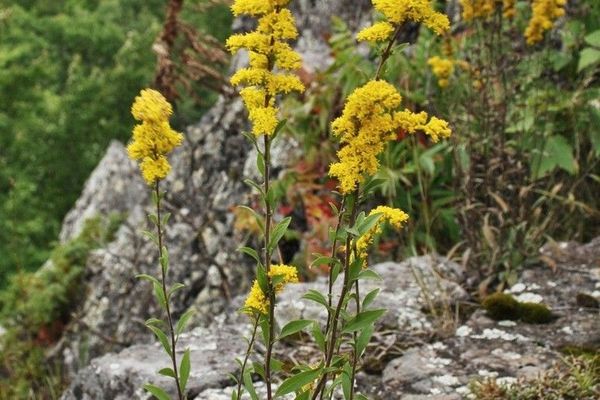
Old-field goldenrod
Solidago nemoralis
Родина: Asteraceae • Рід: Solidago
БагаторічнаСередньоДекоративна
Sow seed in fall in well-drained, dry to average, poor to average soil in full sun — gray goldenrod is the most drought-tolerant of the common eastern North American goldenrods, taking its common name from the grayish, downy-hairy stems and leaves that help reduce water loss in its characteristic dr
Опис
Sow seed in fall in well-drained, dry to average, poor to average soil in full sun — gray goldenrod is the most drought-tolerant of the common eastern North American goldenrods, taking its common name from the grayish, downy-hairy stems and leaves that help reduce water loss in its characteristic dry, open habitats: rocky outcrops, sandy barrens, dry roadsides, and dry open woodland edges throughout the eastern US and into the Great Plains. The one-sided arching racemes of golden yellow flowers curve gracefully toward the ground in late summer and fall, providing important late-season nectar for migrating monarch butterflies and a wide range of native bees. While not as showy as some taller goldenrods, gray goldenrod is invaluable for difficult dry, sandy, or rocky sites where creating a pollinator-supporting native planting is otherwise challenging. Historically used by Native American nations as a yellow dye plant.
Спосіб посадки: Посів у відкритий ґрунт
Відстань між рослинами: 12–18 дюймів
Висота: 12–30 дюймів
Дні до схожості: 14–21
Температура ґрунту для схожості: 13–18°C
Походження та ареал
Відомий як: dyersweed goldenrod
Поради
Sow seed in fall in well-drained, dry to average, poor to average soil in full sun — gray goldenrod is the most drought-tolerant of the common eastern North American goldenrods, taking its common name from the grayish, downy-hairy stems and leaves that help reduce water loss in its characteristic dry, open habitats: rocky outcrops, sandy barrens, dry roadsides, and dry open woodland edges throughout the eastern US and into the Great Plains. The one-sided arching racemes of golden yellow flowers curve gracefully toward the ground in late summer and fall, providing important late-season nectar for migrating monarch butterflies and a wide range of native bees. While not as showy as some taller goldenrods, gray goldenrod is invaluable for difficult dry, sandy, or rocky sites where creating a pollinator-supporting native planting is otherwise challenging. Historically used by Native American nations as a yellow dye plant.
Спосіб посадки: Посів у відкритий ґрунт
Відстань між рослинами: 12–18 дюймів
Висота: 12–30 дюймів
Дні до схожості: 14–21
Температура ґрунту для схожості: 13–18°C
---
Час посадки: -8–-4 тижнів осіння посадка
Direct sow seed in fall in well-drained, slightly acidic to neutral, dry to average, poor to average soil in full sun; gray goldenrod is the most drought-tolerant of the common eastern goldenrods, thriving in dry, sandy, and rocky soils where other goldenrods cannot establish.