Опис
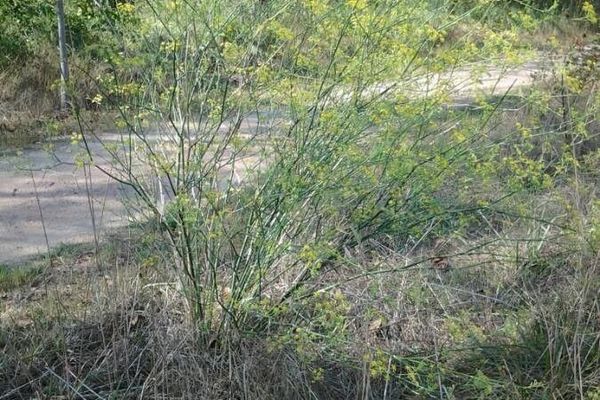
An easily grown plant, it succeeds in most soils but prefers a sunny dry position[4, 16, 37, 200]. It grows well in sandy soils and is drought tolerant once established. Plants often self-sow freely in the garden[K]. Plants can be grown in quite coarse grass, which can be cut annually in the autumn. Although hardy in most parts of Britain, plants are liable to die out over the winter if the soil is not well-drained or the weather is persistently cold and wet. Fennel is often cultivated in the herb garden for its edible and medicinal uses, there are some named varieties. Especially in mild winters, the leaves can be available all year round[K]. It is best to cut a few plants back to ground level occasionally during the growing season, thus ensuring a constant supply of fresh young shoots. In a dry summer make sure that you water the cut-down clump or it might not regrow that year[K]. Fennel is also grown commercially as a medicinal plant and for its essential oil[4, 238]. Fennel is in general a poor companion plant in the garden. It inhibits the growth of nearby plants, especially beans, tomatoes and kohl rabi[14, 18]. It is itself inhibited by wormwood and coriander[14, 18]. However, the flowering plant attracts beneficial insects such as bees, parasitic wasps, tachinid flies and hoverflies to the garden. The presence of these creatures will help to maintain a natural balance of insects in the garden and help prevent infestations by aphis etc. It is best not to grow fennel and dill (Anethum graveolens) close to each other since hybridisation can occur and the resulting seedlings will be of indeterminate flavour. The plant is heat tolerant in zones 9 through 6. (Plant Hardiness Zones show how well plants withstand cold winter temperatures. Plant Heat Zones show when plants would start suffering from the heat. The Plant Heat Zone map is based on the number of "heat days" experienced in a given area where the temperature climbs to over 86 degrees F (30°C). At this temperature, many plants begin to suffer physiological damage. Heat Zones range from 1 (no heat days) to 12 (210 or more heat days). For example Heat Zone. 11-1 indicates that the plant is heat tolerant in zones 11 through 1.) For polyculture design as well as the above-ground architecture (form - tree, shrub etc. and size shown above) information on the habit and root pattern is also useful and given here if available. The plant growth habit is a clumper with limited spread [1-2]. Fennel bulbs are usually harvested in late summer to early autumn (August to October), while the seeds are harvested in late summer. Fennel typically flowers in summer. Fennel has a moderate growth rate and typically reaches maturity within 80 to 120 days after sowing, depending on the variety. References Carbon Farming Information and Carbon Sequestration Information Temperature Converter Type a value in the Celsius field to convert the value to Fahrenheit: Celsius Fahrenheit: The PFAF Bookshop Plants For A Future have a number of books available in paperback and digital form. Book titles include Edible Plants , Edible Perennials , Edible Trees , Edible Shrubs , Woodland Gardening , and Temperate Food Forest Plants . Our new book is Food Forest Plants For Hotter Conditions (Tropical and Sub-Tropical) . Shop Now
Походження та ареал
TEMPERATE ASIA: Egypt, Georgia, Iran, Israel, Jordan, Lebanon, Sinai, Syria, Turkey,Afghanistan. TROPICAL ASIA: Pakistan, EUROPE: Ukraine (incl. Krym), Albania, Bulgaria, Bosnia and Herzegovina, Greece (incl. Crete), Croatia, Italy (incl. Sardinia, Sicily), Montenegro, Spain (incl. Baleares), France (incl. Corsica), Portugal, AFRICA: Spain, Canarias, Portugal, Madeira Islands, Algeria, Egypt, Libya, Morocco, Tunisia.
Корисні властивості
Edible Parts: Flowers Leaves Oil Root Seed Stem Edible Uses: Condiment Drink Oil Tea Leaves - raw or cooked[2, 4, 5, 9, 27]. A delicious aniseed flavour, the young leaves are best since older ones soon become tough[K]. They are often used as a garnish on raw or cooked dishes and make a very pleasant addition to salads. They help to improve digestion and so are particularly useful with oily foods. The leaves are difficult to store dried, though this does not really matter since they can often be harvested all year round, especially if the plants are in a warm, sheltered position[K]. Leaf stalks and flower heads - raw or cooked[14, 37, 52, 183]. A similar aniseed flavour to the leaves[K]. The aromatic seeds are used as a flavouring in cakes, bread, stuffings etc[2, 4, 5, 21, 27, 183]. They have a similar flavour to the leaves[K] and also improve the digestion. The sprouted seeds can be added to salads. An essential oil from the fully ripened and dried seed is used as a food flavouring in similar ways to the whole seed[1, 46, 183, 245]. Root - cooked. Somewhat parsnip-like. The leaves or the seeds can be used to make a pleasant-tasting herbal tea[16, 183]. References More on Edible Uses
Поради
Seed - best sown in early spring in situ. The seed can also be sown in situ in the autumn[4, 37]. In many gardens it self sows freely. Division in March as the new growth appears[16, 200]. The plants are very tolerant of disturbance, we have found divisions to take well at any time of the year, though these divisions are never as good as seed-sown plants[K].