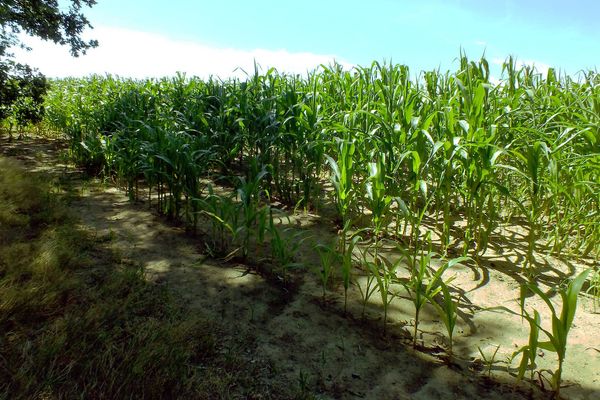
Maize
Zea mays
Родина: Poaceae • Рід: Zea
БагаторічнаСередньоДекоративна
Опис
Requires a warm position a well drained soil and ample moisture in the growing season[16, 33]. Prefers a pH in the range 5.5 to 6.8. Requires a rich soil if it is to do well. Corn is widely cultivated for its edible seed, especially in tropical and warm temperate zones of the world, there are many named varieties. Unfortunately, the plant is not frost tolerant and so needs to be started off under glass in Britain if a reasonable crop is to be grown. There are five main types:- Sweetcorn is of fairly recent development. It has very sweet, soft-skinned grains that can be eaten raw or cooked before they are fully ripe. Cultivars have been developed that can produce a worthwhile crop even in the more northerly latitudes of Britain if a suitable warm sunny sheltered site is chosen[238, K. Popcorn is a primitive form with hard-skinned grains. When roasted, these grains 'explode' to form the popular snack 'popcorn'. Waxy corn is used mainly in the Far East. It has a tapioca-like starch. Flint corn, which shrinks on drying, can have white, yellow, purple, red or blue-black grains. It is not so sweet and also takes longer to mature so is a problematic crop in Britain. There are many other uses for this plant as detailed below. Dent corn has mostly white to yellow grains. This and Flint corn are widely grown for oils, cornflour, cereals and silage crops. Corn grows well with early potatoes, legumes, dill, cucurbits and sunflowers[18, 20, 201], it dislikes growing with tomatoes. In garden design, as well as the above-ground architecture of a plant, root structure considerations help in choosing plants that work together for their optimal soil requirements including nutrients and water. The root pattern is fibrous dividing into a large number of fine roots [2-1]. References Carbon Farming Information and Carbon Sequestration Information Temperature Converter Type a value in the Celsius field to convert the value to Fahrenheit: Celsius Fahrenheit: The PFAF Bookshop Plants For A Future have a number of books available in paperback and digital form. Book titles include Edible Plants , Edible Perennials , Edible Trees , Edible Shrubs , Woodland Gardening , and Temperate Food Forest Plants . Our new book is Food Forest Plants For Hotter Conditions (Tropical and Sub-Tropical) . Shop Now
Походження та ареал
NORTHERN AMERICA: Mexico (Chihuahua, Durango, Guanajuato, Jalisco, México, Michoacán de Ocampo) SOUTHERN AMERICA: Guatemala
Корисні властивості
Edible Parts: Oil Oil Pollen Seed Stem Edible Uses: Coffee Oil Oil Seed - raw or cooked. Corn is one of the most commonly grown foods in the world. The seed can be eaten raw or cooked before it is fully ripe[1, 2, 33, 34] and there are varieties especially developed for this purpose (the sweet corns) that have very sweet seeds and are delicious[183, K]. The mature seed can be dried and used whole or ground into a flour. It has a very mild flavour and is used especially as a thickening agent in foods such as custards. The starch is often extracted from the grain and used in making confectionery, noodles etc. The dried seed of certain varieties can be heated in an oven when they burst to make 'Popcorn'. The seed can also be sprouted and used in making uncooked breads and cereals. A nutritional analysis is available. The fresh succulent 'silks' (the flowering parts of the cob) can also be eaten[55, 183]. An edible oil is obtained from the seed, it is an all-purpose culinary oil that is frequently used as a food in salads and for cooking purposes[13, 46, 183, 238]. The pollen is used as an ingredient of soups. Rich in protein, it is harvested by tapping the flowering heads over a flat surface such as a bowl. Harvesting the pollen will actually help to improve fertilisation of the seeds[K]. The roasted seed is a coffee substitute. The pith of the stem is chewed like sugar cane and is sometimes made into a syrup. References More on Edible Uses Composition Figures in grams (g) or miligrams (mg) per 100g of food. Seed (Fresh weight) 361 Calories per 100g Water : 10.6% Protein: 9.4g; Fat: 4.3g; Carbohydrate: 74.4g; Fibre: 1.8g; Ash: 1.3g; Minerals - Calcium: 9mg; Phosphorus: 290mg; Iron: 2.5mg; Magnesium: 0mg; Sodium: 0mg; Potassium: 0mg; Zinc: 0mg; Vitamins - A: 140mg; Thiamine (B1): 0.43mg; Riboflavin (B2): 0.1mg; Niacin: 1.9mg; B6: 0mg; C: 0mg; Reference: [ 218] Notes:
Поради
Seed - sow April in individual pots in a greenhouse. Grow on quickly and plant out after the last expected frosts. A direct outdoor sowing, especially of some of the less sweet varieties, can be tried in May.