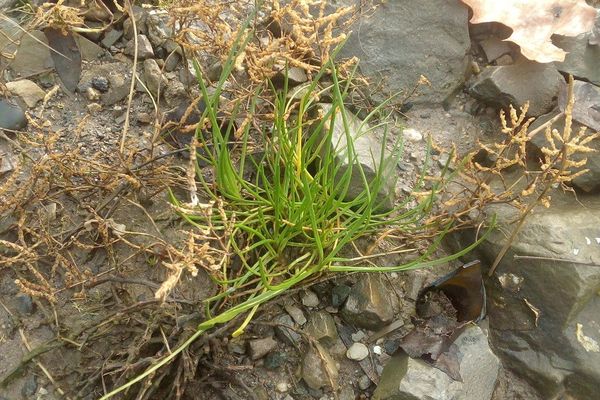
Sea arrow-grass
Triglochin maritima
Родина: Juncaginaceae • Рід: Triglochin
БагаторічнаСередньоДекоративна
вид рослин
Опис
Succeeds in shallow water or a bog garden. Possibly requires saline conditions[K]. References Carbon Farming Information and Carbon Sequestration Information Temperature Converter Type a value in the Celsius field to convert the value to Fahrenheit: Celsius Fahrenheit: The PFAF Bookshop Plants For A Future have a number of books available in paperback and digital form. Book titles include Edible Plants , Edible Perennials , Edible Trees , Edible Shrubs , Woodland Gardening , and Temperate Food Forest Plants . Our new book is Food Forest Plants For Hotter Conditions (Tropical and Sub-Tropical) . Shop Now
Походження та ареал
TEMPERATE ASIA: Afghanistan, Iran, Turkey, Russian Federation-Ciscaucasia (Ciscaucasia), Azerbaijan, Georgia, Russian Federation-Western Siberia (Western Siberia), Russian Federation-Eastern Siberia (Eastern Siberia), Kazakhstan, Kyrgyzstan, Tajikistan, Russian Federation-Far East (Far East (south)), China (north), Korea, Japan TROPICAL ASIA: Bhutan, India (north), Nepal, Pakistan (north) NORTHERN AMERICA: Canada (Northwest Territories, Yukon, Québec, Nova Scotia, Ontario, Prince Edward Island,
Корисні властивості
Edible Parts: Seed Stem Edible Uses: Coffee The white base of the leaf stem can be eaten raw or cooked[46, 61, 85, 103]. Best harvested in late spring, the white base has a pleasant mild sweet taste, somewhat like cucumber. An unpleasant odour is produced whilst the plant is being cooked. The green parts of the plant should not be eaten since they can contain a toxin. Only the bases of leaf stems should be used, and not the bases of flowering stems. See notes at top of the page. Seed - parched and ground into a powder[85, 105, 161, 172, 257]. The roasted seed is a coffee substitute[161, 172, 212]. References More on Edible Uses
Поради
Seed - we have no information for this species but suggest sowing the seed in a cold frame as soon as it is ripe if this is possible. Stand the pots in about 2cm of water. When they are large enough to handle, prick the seedlings out into individual pots and plant them out in the summer. Division in spring. Larger divisions can be planted out direct into their permanent positions. We have found that it is best to pot up smaller divisions and grow them on in light shade in a greenhouse or cold frame until they are growing away well. Plant them out in the summer or the following spring.