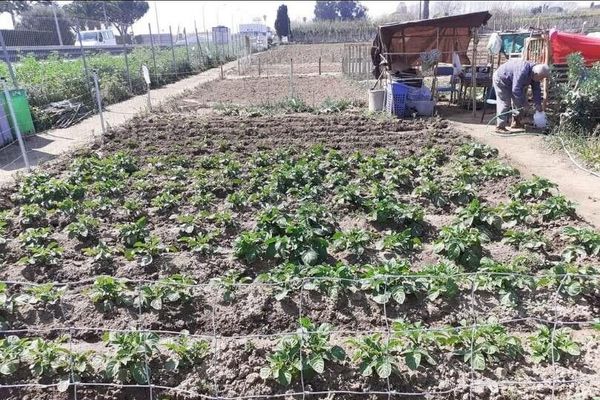
Potato
Solanum tuberosum
Родина: Solanaceae • Рід: Solanum
БагаторічнаСередньоДекоративна
Опис
Succeeds in most soils. Dislikes wet or heavy clay soils[16, 37]. Prefers a slightly acid soil, the tubers are subject to scab on limy soils or those deficient in humus. Yields best on a fertile soil rich in organic matter. This plant is one of the S. American species of potatoes. It is not frost hardy but can probably be grown in much the same way as potatoes are grown by planting out the tubers in spring and harvesting in the autumn[K]. Plants might have strict daylength requirements and may yield poorly in temperate zones because they need short-days in order to induce tuber-formation. This species is commonly cultivated for its edible tubers in S. America. Yields are often low but 30 tonnes per hectare have been recorded. Plants are susceptible to late blight. This species is the immediate ancestor of the potato of commerce, S. tuberosum, though the tubers look rather different. A tetraploid species, probably derived from S. stenotomum by chromosome doubling or by hybridization with S. sparsipilum, it produces fertile seed. References Carbon Farming Information and Carbon Sequestration Information Temperature Converter Type a value in the Celsius field to convert the value to Fahrenheit: Celsius Fahrenheit: The PFAF Bookshop Plants For A Future have a number of books available in paperback and digital form. Book titles include Edible Plants , Edible Perennials , Edible Trees , Edible Shrubs , Woodland Gardening , and Temperate Food Forest Plants . Our new book is Food Forest Plants For Hotter Conditions (Tropical and Sub-Tropical) . Shop Now
Походження та ареал
Coming Soon
Корисні властивості
Edible Parts: Root Edible Uses: Rutin Root - cooked[46, 105, 177]. This species has the largest tubers of all the species cultivated in the Andes, it has a good content of protein (12% dry weight compared to 8 - 10% for the cultivated potato) and is rich in starch and vitamin C. References More on Edible Uses Composition Figures in grams (g) or miligrams (mg) per 100g of food. Root (Fresh weight) 80 Calories per 100g Water : 79% Protein: 2.4g; Fat: 0.1g; Carbohydrate: 18g; Fibre: 0.5g; Ash: 1.3g; Minerals - Calcium: 10mg; Phosphorus: 51mg; Iron: 0.8mg; Magnesium: 0mg; Sodium: 5mg; Potassium: 401mg; Zinc: 0mg; Vitamins - A: 20mg; Thiamine (B1): 0.9mg; Riboflavin (B2): 0.03mg; Niacin: 1.5mg; B6: 0mg; C: 20mg; Reference: [ 269] Notes: These figures are the mean obtained from a range of readings.
Поради
Seed - sow early spring in a warm greenhouse. Prick out the seedlings into a fairly rich compost as soon as they are large enough to handle and grow them on fast. Plant them out after the last expected frosts. Division. Harvest the tubers in autumn after the top-growth has been cut back by frost. Store the tubers in a cool frost-free place overwinter and replant in April.