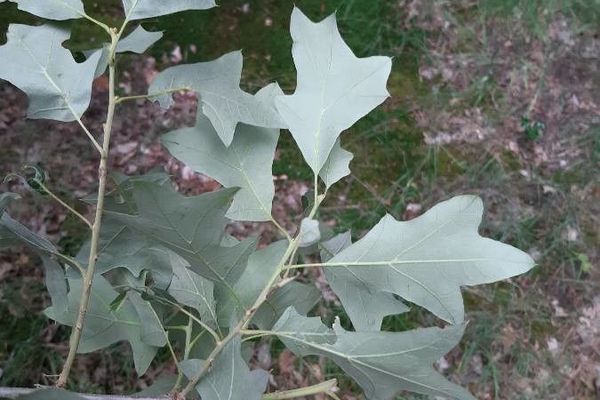
Bear oak
Quercus ilicifolia
Родина: Fagaceae • Рід: Quercus
БагаторічнаСередньоДекоративна
Bear Oak is a low, colony-forming native scrub oak of the acid pine barrens, serpentine outcrops, dry sandy ridges, and coastal heathlands of the northeastern United States, where it is a dominant species of the globally rare pitch pine-scrub oak barrens community from Massachusetts south to North C
Опис
Bear Oak is a low, colony-forming native scrub oak of the acid pine barrens, serpentine outcrops, dry sandy ridges, and coastal heathlands of the northeastern United States, where it is a dominant species of the globally rare pitch pine-scrub oak barrens community from Massachusetts south to North Carolina. The small, irregularly multi-lobed leaves have a distinctive whitish, velvety underside; the abundant small acorns are a critical food source for black bears (the origin of the common name), ruffed grouse, white-tailed deer, and numerous songbirds in the barrens communities where Bear Oak's dense, fire-adapted thickets provide both food and cover. Highly fire-adapted, Bear Oak resprouts vigorously from deep rhizomes after the frequent, low-intensity fires that historically maintained pitch pine barrens and oak-scrub habitats, making it nearly impossible to eliminate once established in appropriate conditions. Direct sow fresh acorns in fall in strongly acidic, infertile, well-drained, sandy or rocky soil in full sun; Bear Oak requires the same fire-maintained, nutrient-poor conditions as its native barrens habitat.
Спосіб посадки: Посів у відкритий ґрунт
Відстань між рослинами: 36–72 дюймів
Висота: 36–96 дюймів
Дні до схожості: 14–30
Температура ґрунту для схожості: 4–16°C
Поради
Bear Oak is a low, colony-forming native scrub oak of the acid pine barrens, serpentine outcrops, dry sandy ridges, and coastal heathlands of the northeastern United States, where it is a dominant species of the globally rare pitch pine-scrub oak barrens community from Massachusetts south to North Carolina. The small, irregularly multi-lobed leaves have a distinctive whitish, velvety underside; the abundant small acorns are a critical food source for black bears (the origin of the common name), ruffed grouse, white-tailed deer, and numerous songbirds in the barrens communities where Bear Oak's dense, fire-adapted thickets provide both food and cover. Highly fire-adapted, Bear Oak resprouts vigorously from deep rhizomes after the frequent, low-intensity fires that historically maintained pitch pine barrens and oak-scrub habitats, making it nearly impossible to eliminate once established in appropriate conditions. Direct sow fresh acorns in fall in strongly acidic, infertile, well-drained, sandy or rocky soil in full sun; Bear Oak requires the same fire-maintained, nutrient-poor conditions as its native barrens habitat.
Спосіб посадки: Посів у відкритий ґрунт
Відстань між рослинами: 36–72 дюймів
Висота: 36–96 дюймів
Дні до схожості: 14–30
Температура ґрунту для схожості: 4–16°C
---
Час посадки: -8–-2 тижнів осіння посадка
Direct sow fresh acorns in fall at 1–2 inch depth in dry, sandy or rocky, strongly acidic, extremely well-drained, infertile soil in full sun. Bear Oak is highly specific to acid barrens and pitch pine-scrub oak habitats and will not compete in more productive or shaded soils. It spreads by rhizomes to form dense thickets.