Опис
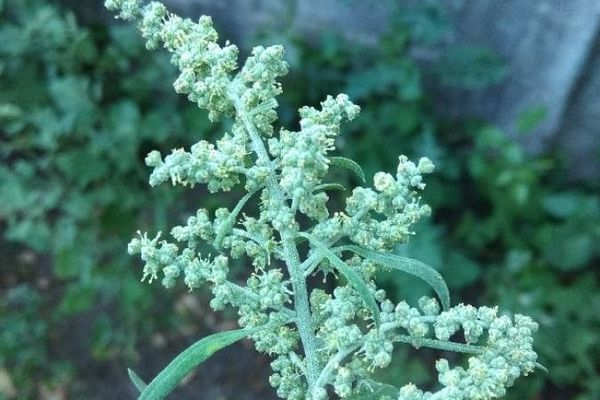
Lambsquarter is one of the most reliable, nutritious, and abundant wild foods across North America. Its leaves rival spinach in culinary value, and its seeds provide a grain-like resource comparable to quinoa. Resilient in poor soils, tolerant of drought, and prolific in disturbed landscapes, it remains a staple plant for survivalists, gardeners, and foragers alike. An easily grown plant, succeeding in most soils but disliking shade[1, 200]. Lambsquarter thrives in rich, nitrogen-bearing soils—fertile farmland, compost heaps, gardens, and areas disturbed by human activity. It tolerates drought, heat, and poor soils but performs best in loose, fertile substrates with full sun. The plant readily colonizes plowed fields and abandoned lots, often emerging in vast numbers after disturbance. It is tolerant of moderate salinity and alkaline soils. prefers a moderately fertile soil. Tolerates a pH range of 4.5 to 8.3. In moderate amounts, this plant is a good companion for potatoes, corn, and cucurbits[20, 54]. The plant responds directly to the magnesium content of the soil so it can be used to indicate the presence of that element. Fat hen is occasionally cultivated as a food crop, there is at least one named variety. Called 'Magenta' in reference to the colour of its leaves, it is considered by some people to be the best tasting of all potherbs. Special Features:North American native. In garden design, as well as the above-ground architecture of a plant, root structure considerations help in choosing plants that work together for their optimal soil requirements including nutrients and water. The root pattern is fleshy. Thick or swollen - fibrous or tap root [2-1]. Form: Irregular or sprawling. Habitat & Range: This species is cosmopolitan and found throughout nearly all of North America. It dominates in agricultural landscapes, gardens, farm edges, riverbanks, vacant lots, and disturbed soils. In the Southwest, it occurs in irrigated fields, riparian corridors, canyon bottoms, and areas with soil enrichment. It is far less common in extremely dry, undisturbed desert zones. Size & Landscape Performance: Lambsquarter typically reaches 30–150 cm tall, but can exceed 2 meters in exceptionally rich soil. It forms upright, branching clumps rather than mats. In landscapes, it behaves as a persistent annual weed, sometimes producing dense stands. Its deep taproot helps uptake nutrients from the soil while stabilizing loose substrates. Cultivation (Horticulture): Although seldom intentionally cultivated in the West, lambsquarter grows readily when encouraged. Gardeners may treat it as a volunteer “spinach substitute.” It requires minimal care, germinates readily, and tolerates drought. To maintain tender leaves, consistent moisture is beneficial. Cutting young plants encourages branching and prolongs leaf production. Pests & Problems: Lambsquarter rarely suffers major pest damage. Leaf miners and flea beetles occasionally feed on leaves. Powdery mildew can appear in humid late-summer conditions but rarely impacts seed production. In gardens, it competes for water and nutrients and can overtake weaker crops if not managed. Cultivar / Selection Notes: No named cultivars exist for C. album, though related species such as quinoa have been domesticated. Garden volunteers may vary in leaf size, color, and mealy coating. Pollination: Flowers are wind-pollinated and produce little nectar. Their small, inconspicuous nature reflects their reliance on air currents rather than insect visitation. Seed set remains high even in isolated patches. Identification & Habit: Lambsquarter is an upright annual herb with a branching, often reddish-striped stem and noticeably powdery, white-mealy leaf surfaces, especially on new growth. The leaves are variable in shape—triangular, rhombic, or lanceolate—but typically have coarsely toothed margins and a pale, dusty appearance due to tiny reflective particles on the surface. The plant grows rapidly, often reaching waist height in rich soil. The inflorescences are clusters of small, green, petal-less flowers forming dense spikes or panicles at the tips of stems and in leaf axils. The plant frequently feels soft or flour-dusted to the touch, and the growing tips often appear as though dipped in chalk. By late summer, the flowers mature into masses of tiny, shiny black seeds held inside thin papery coverings. References Carbon Farming Information and Carbon Sequestration Information Temperature Converter Type a value in the Celsius field to convert the value to Fahrenheit: Celsius Fahrenheit: The PFAF Bookshop Plants For A Future have a number of books available in paperback and digital form. Book titles include Edible Plants , Edible Perennials , Edible Trees , Edible Shrubs , Woodland Gardening , and Temperate Food Forest Plants . Our new book is Food Forest Plants For Hotter Conditions (Tropical and Sub-Tropical) . Shop Now
Походження та ареал
TEMPERATE ASIA: Afghanistan, Iran, Iraq, Israel, Jordan, Lebanon, Syria, Turkey, Azerbaijan, Georgia EUROPE: Denmark, Finland, United Kingdom, Norway, Sweden, Austria, Belgium, Switzerland, Germany, Hungary, Luxembourg, Netherlands, Poland, Belarus, Lithuania, Latvia, Moldova, Ukraine, Albania, Bulgaria, Bosnia and Herzegovina, Greece, Croatia, Italy, North Macedonia, Romania, Serbia, Slovenia, Spain, France, Portugal AFRICA: Portugal (Madeira Islands), Algeria, Egypt, Libya, Morocco, Tunisia
Корисні властивості
Edible Parts: Flowers Leaves Seed Edible Uses: A top-tier wild edible producing excellent spinach-like greens and easily processed, highly nutritious quinoa-like seeds. Safe when cooked and exceptionally abundant, it remains one of the most important edible “weeds” worldwide. Edible Uses & Rating: Both the leaves and seeds are edible. Lambsquarter is an excellent wild vegetable with spinach-like leaves that serve well both raw and cooked. The seeds are also edible and were historically an important grain-like food, comparable in many ways to quinoa. As a wild edible, lambsquarter ranks extremely high: the leaves are flavorful, abundant, and nutritious, and the seeds represent a reliable caloric resource accessible in large quantities. Its rating among wild foods is exceptional, placing it among the best all-purpose edible plants in disturbed or cultivated landscapes [2-3]. Leaves - raw or cooked[2, 4, 5, 9, 12, 20, 54, 62, 102]. A very acceptable spinach substitute, the taste is a little bland but this can be improved by adding a few stronger-flavoured leaves. One report says that, when eaten with beans, the leaves will act as a carminative to prevent wind and bloating. The leaves are best not eaten raw, see the notes above on toxicity. The leaves are generally very nutritious but very large quantities can disturb the nervous system and cause gastric pain. The leaves contain about 3.9% protein, 0.76% fat, 8.93% carbohydrate, 3% ash. A zero moisture basis analysis is also available. Edible seed - dried and ground into a meal and eaten raw or baked into a bread[[2, 4, 12, 14, 54, 102, 183]. The seed can also be sprouted and added to salads. The seed is very fiddly to harvest and use due to its small size. Although it is rather small, we have found the seed very easy to harvest and simple enough to utilize[K]. The seed should be soaked in water overnight and thoroughly rinsed before being used in order to remove any saponins. The seed contains about 49% carbohydrate, 16% protein, 7% ash, 5.88% ash[114, 179]. Young inflorescences - cooked. A tasty broccoli substitute[K]. Taste, Processing & Kitchen Notes: Fresh leaves have a mild, spinach-like flavor with a slightly salty undertone and no bitterness. The mealy surface can feel soft and pleasant and helps thicken soups when cooked. Leaves are excellent as salad greens when young, though the oxalate content makes long-term consumption of large raw quantities unwise. Cooking neutralizes harshness and improves digestibility, producing a flavor comparable to spinach but slightly richer [2-3]. Seeds are tiny but delicious when toasted or boiled. Toasting imparts a nutty, quinoa-like aroma. Boiling creates a soft porridge with a faint sweetness. Combining toasting and boiling often yields the best flavor and texture. Seeds can also be ground into flour for breads or pancakes. The papery pericarp is thin and softens during cooking; elaborate processing is rarely required [2-3]. Seasonality (Phenology): Lambs
Поради
Seed - sow spring in situ. Most of the seed usually germinates within a few days of sowing. It is usually unnecessary to sow the seed since the plant is a common garden weed and usually self-sows freely in most soils.