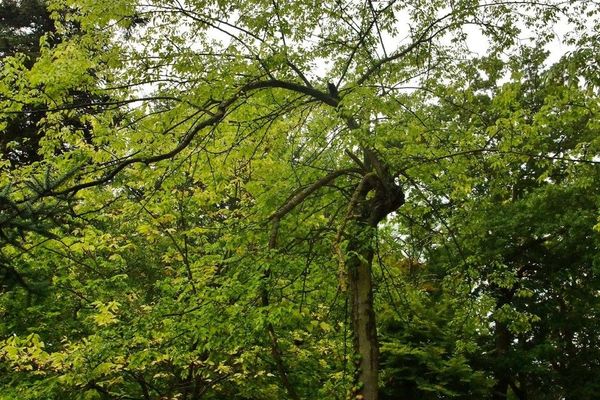
Northern hackberry
Celtis occidentalis
Родина: Cannabaceae • Рід: Celtis
БагаторічнаСередньоДекоративна
Plant in well-drained to moist soil in full sun to partial shade; hackberry is among the most adaptable native trees, thriving in urban heat, clay soils, drought, flooding, and alkaline conditions that defeat many other species. The small dark-purple berries that ripen in September–October have a sw
Опис
Plant in well-drained to moist soil in full sun to partial shade; hackberry is among the most adaptable native trees, thriving in urban heat, clay soils, drought, flooding, and alkaline conditions that defeat many other species. The small dark-purple berries that ripen in September–October have a sweet, date-like flavor and are edible directly from the tree; the thin skin is nutritious and the sweet pulp surrounds a hard seed. The berries are a critical fall food source for over 50 bird species, including cedar waxwings, robins, bluebirds, and many migrating warblers. The distinctive corky bark warty growths are a natural feature, not a disease. Excellent choice for difficult urban sites or as a wildlife anchor tree.
Спосіб посадки: Висадка розсади
Відстань між рослинами: 240–360 дюймів
Висота: 180–600 дюймів
Дні до схожості: 60–90
Температура ґрунту для схожості: 4–13°C
Походження та ареал
Відомий як: western hackberry
Поради
Plant in well-drained to moist soil in full sun to partial shade; hackberry is among the most adaptable native trees, thriving in urban heat, clay soils, drought, flooding, and alkaline conditions that defeat many other species. The small dark-purple berries that ripen in September–October have a sweet, date-like flavor and are edible directly from the tree; the thin skin is nutritious and the sweet pulp surrounds a hard seed. The berries are a critical fall food source for over 50 bird species, including cedar waxwings, robins, bluebirds, and many migrating warblers. The distinctive corky bark warty growths are a natural feature, not a disease. Excellent choice for difficult urban sites or as a wildlife anchor tree.
Спосіб посадки: Висадка розсади
Відстань між рослинами: 240–360 дюймів
Висота: 180–600 дюймів
Дні до схожості: 60–90
Температура ґрунту для схожості: 4–13°C
---
Час посадки: 0–4 тижнів spring
Plant bare-root or container trees in early spring; one of the most adaptable native trees, tolerating compacted soil, air pollution, and urban conditions where other trees fail.