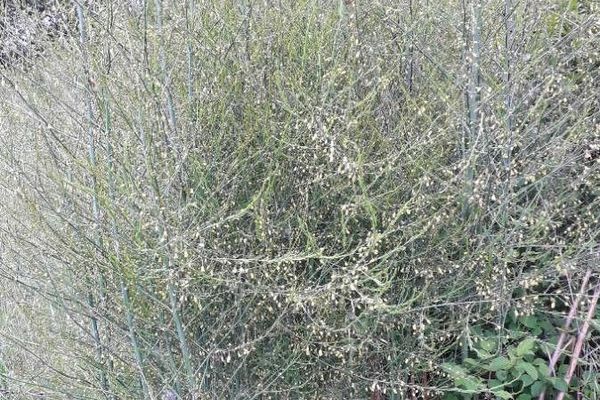
Asparagus
Asparagus officinalis
Родина: Asparagaceae • Рід: Asparagus
БагаторічнаСередньоДекоративна
Taxonomic Note: This genus was formerly classified in the family Agavaceae. Modern classifications include it within the Asparagaceae.
Опис
Easily grown in any good garden soil. Prefers a rich well-drained sandy loam and a sunny position[1, 16, 27, 238]. Prefers a pH of 6.5 or higher, though it tolerates a pH in the range 4.3 to 8.2. Asparagus is often cultivated as a luxury vegetable, there are some named varieties[16, 183]. Well-tended plants can be long-lived, an asparagus bed can last for well over 20 years. Asparagus is a good companion plant for tomatoes, parsley and basil[18, 20, 201]. When grown together, tomatoes help to protect asparagus from the asparagus beetle. Asparagus is said to repel the nematodes that can infect tomatoes (see the report below on the plants other uses). A good bee plant. Dioecious. Male and female plants must be grown if seed is required. The plant is heat tolerant in zones 8 through 1. (Plant Hardiness Zones show how well plants withstand cold winter temperatures. Plant Heat Zones show when plants would start suffering from the heat. The Plant Heat Zone map is based on the number of "heat days" experienced in a given area where the temperature climbs to over 86 degrees F (30°C). At this temperature, many plants begin to suffer physiological damage. Heat Zones range from 1 (no heat days) to 12 (210 or more heat days). For example, Heat Zone. 11-1 indicates the plant is heat tolerant in zones 11 through 1.) For polyculture design and the above-ground architecture (form - tree, shrub, etc. and size shown above), information on the habit and root pattern is also useful and given here if available. The plant growth habit is a clumper with limited spread [1-2]. The root pattern is rhizomatous, with underground stems sending roots and shoots along their length [1-2]. Asparagus is typically harvested in spring, when the spears are young and tender. Asparagus flowers in late spring to early summer. Asparagus has a slow establishment phase, typically taking about 2 to 3 years to start producing a significant harvest. Once established, it can produce for many years, with vigorous growth in the spring. References Carbon Farming Information and Carbon Sequestration Information Temperature Converter Type a value in the Celsius field to convert the value to Fahrenheit: Celsius Fahrenheit: The PFAF Bookshop Plants For A Future have a number of books available in paperback and digital form. Book titles include Edible Plants , Edible Perennials , Edible Trees , Edible Shrubs , Woodland Gardening , and Temperate Food Forest Plants . Our new book is Food Forest Plants For Hotter Conditions (Tropical and Sub-Tropical) . Shop Now
Походження та ареал
TEMPERATE ASIA: Altay, Armenia, Azerbaijan, China, Ciscaucasia, Dagestan, Georgia, Gorno-Altay, Hakasija, Iran, Kazakhstan, Krasnoyarsk (south), Kurganskaja oblast, Lebanon, Mongolia, Novosibirsk, Omsk, Respublika, Russian Federation, Russian Federation, Russian Federation-Ciscaucasia, Syria, Turkey, Tyumen (south), Xinjiang Uygur Zizhiqu (northwest),Afghanistan. EUROPE: Denmark (south), Czechoslovakia (Czech Republic and Slovakia), Austria, Belgium, Switzerland, Germany, Hungary, Netherlands, P
Корисні властивості
Edible Parts: Shoots Stem Edible Uses: Coffee Young shoots - raw or cooked[2, 5, 15, 16, 27, K]. Considered a gourmet food, the shoots are harvested in the spring. We find them very acceptable raw in salads, with a hint of onion in their flavour[K]. They are normally boiled or steamed and used as a vegetable[K]. Male plants produce the best shoots. Do not over-harvest the plant because this would weaken it in the following year. The shoots are a good source of protein and dietary fibre. Roasted seeds are a coffee substitute[21, 46, 183]. References More on Edible Uses Composition Figures in grams (g) or miligrams (mg) per 100g of food. Stem (Fresh weight) 26 Calories per 100g Water : 91.7% Protein: 2.5g; Fat: 0.2g; Carbohydrate: 5g; Fibre: 0.7g; Ash: 0.6g; Minerals - Calcium: 22mg; Phosphorus: 62mg; Iron: 1mg; Magnesium: 0mg; Sodium: 2mg; Potassium: 278mg; Zinc: 0mg; Vitamins - A: 540mg; Thiamine (B1): 0.18mg; Riboflavin (B2): 0.2mg; Niacin: 1.5mg; B6: 0mg; C: 33mg; Reference: [ 218] Notes:
Поради
Seed - pre-soak for 12 hours in warm water and then sow in spring or as soon as the seed is ripe in early autumn in a greenhouse. It usually germinates in 3 - 6 weeks at 25°c. Prick out the seedlings into individual pots when they are large enough to handle and grow them on in a sunny position in the greenhouse for their first winter. Plant them out into their permanent positions in late spring or early summer[K]. Division in early spring as the plant comes into growth.