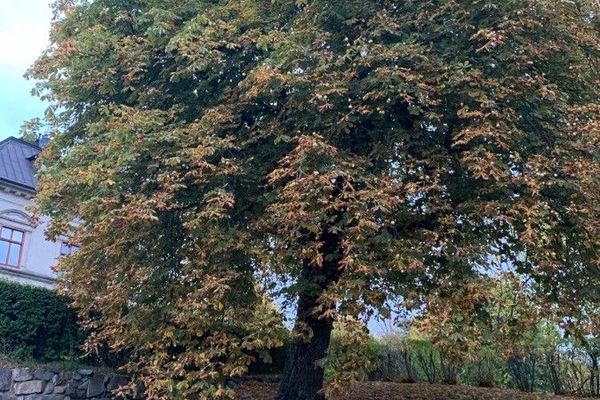
Horse-chestnut
Aesculus hippocastanum
Родина: Sapindaceae • Рід: Aesculus
БагаторічнаСередньоДекоративна
Taxonomic Note: This genus was formerly classified in the family Aceraceae. Modern classifications include it within the Sapindaceae. Bloom Color: White. Main Bloom Time: Early spring, Late spring, Mid spring. Form: Oval, Pyramidal.
Опис
Landscape Uses:Firewood, Pollard, Specimen, Street tree. Prefers a deep loamy well-drained soil but is not too fussy tolerating poorer drier soils[11, 200]. Tolerates exposed positions and atmospheric pollution. A very ornamental and fast-growing tree[1, 4], it succeeds in most areas of Britain but grows best in eastern and south-eastern England. Trees are very hardy when dormant, but the young growth in spring can be damaged by late frosts. The flowers have a delicate honey-like perfume. Trees are tolerant of drastic cutting back and can be severely lopped. They are prone to suddenly losing old heavy branches. The tree comes into bearing within 20 years from seed. Most members of this genus transplant easily, even when fairly large. Special Features: Attractive foliage, Not North American native, Naturalizing, Blooms are very showy. References Carbon Farming Information and Carbon Sequestration Information Temperature Converter Type a value in the Celsius field to convert the value to Fahrenheit: Celsius Fahrenheit: The PFAF Bookshop Plants For A Future have a number of books available in paperback and digital form. Book titles include Edible Plants , Edible Perennials , Edible Trees , Edible Shrubs , Woodland Gardening , and Temperate Food Forest Plants . Our new book is Food Forest Plants For Hotter Conditions (Tropical and Sub-Tropical) . Shop Now
Походження та ареал
EUROPE: Former Yugoslavia, Albania, Bulgaria (east), Greece
Корисні властивості
Edible Parts: Seed Edible Uses: Coffee The roasted seed is used as a coffee substitute[2, 7]. Seed - cooked. It can be dried, ground into a powder and used as a gruel[7, 46, 55, 61]. The seed is quite large, about 3cm in diameter, and is easily harvested. It is usually produced in abundance in Britain. Unfortunately the seed is also rich in saponins, these must be removed before it can be used as a food and this process also removes many of the minerals and vitamins, leaving behind mainly starch. See also the notes above on toxicity. The seed contains up to 40% water, 8 - 11% protein and 8 - 26% toxic saponins. The following notes apply to A. californica, but are probably also relevant here:- The seed needs to be leached of toxins before it becomes safe to eat - the Indians would do this by slow-roasting the nuts (which would have rendered the saponins harmless) and then cutting them into thin slices, putting them into a cloth bag and rinsing them in a stream for 2 - 5 days. References More on Edible Uses
Поради
Seed - best sown outdoors or in a cold frame as soon as it is ripe[11, 80]. The seed germinates almost immediately and must be given protection from severe weather. The seed has a very limited viability and must not be allowed to dry out. Stored seed should be soaked for 24 hours prior to sowing and even after this may still not be viable[80, 113]. It is best to sow the seed with its 'scar' downwards. If sowing the seed in a cold frame, pot up the seedlings in early spring and plant them out into their permanent positions in the summer.