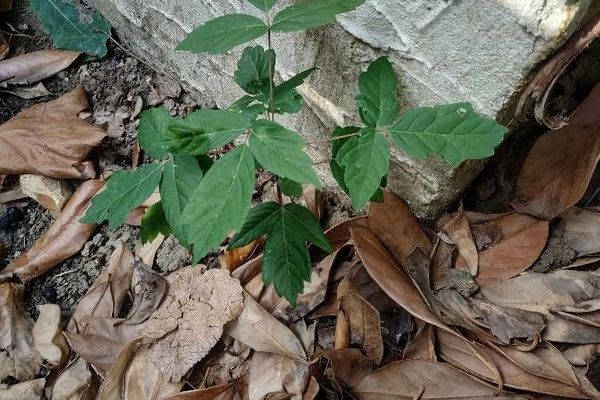
Опис
Of easy cultivation, succeeding in most soils but preferring a rich moist well-drained soil and a sunny position. Grows well in heavy clay soils and in sandy soils. Plants often become chlorotic on very alkaline soils. Plants are hardy to about -18°c. A fast growing but short-lived tree in the wild, living for 75 - 100 years[149, 229]. It is fairly wind-tolerant, but the branches have a tendency to break in strong winds. This species is cultivated commercially in Illinois for its sap. Another report says that this is one of the least productive species for sugar. A very ornamental plant, there are several named varieties. This tree is a bad companion plant that is said to inhibit the growth of neighbouring plants[18, 20]. This species is notably resistant to honey fungus[88, 200]. Very tolerant of pruning, it can regenerate from old wood if it is cut back hard. Dioecious. Male and female plants must be grown if seed is required. References Carbon Farming Information and Carbon Sequestration Information Temperature Converter Type a value in the Celsius field to convert the value to Fahrenheit: Celsius Fahrenheit: The PFAF Bookshop Plants For A Future have a number of books available in paperback and digital form. Book titles include Edible Plants , Edible Perennials , Edible Trees , Edible Shrubs , Woodland Gardening , and Temperate Food Forest Plants . Our new book is Food Forest Plants For Hotter Conditions (Tropical and Sub-Tropical) . Shop Now
Походження та ареал
NORTHERN AMERICA: Canada (Ontario (west), Saskatchewan, Alberta, Manitoba), Mexico (Nuevo León, San Luis Potosí, Chiapas, Hidalgo, Jalisco, México, Michoacán de Ocampo, Oaxaca, Puebla, Tlaxcala, Veracruz de Ignacio de la Llave, Ciudad de México), United States (Connecticut, Indiana, Massachusetts, Michigan, New Hampshire, New Jersey, New York, Ohio, Pennsylvania, Vermont, West Virginia, Illinois, Iowa, Kansas, Minnesota, Missouri, Nebraska, North Dakota, Oklahoma (east), South Dakota, Wisconsin,
Корисні властивості
Edible Parts: Inner bark Leaves Sap Seed Edible Uses: Sweetener The sap contains a reasonable quantity of sugar and can be used as a refreshing drink or be concentrated into a syrup[11, 46, 61, 82, 159]. The syrup is used as a sweetener on many foods. The sugar content is inferior to A. saccharum according to one report whilst another says that it is highly valued as a producer of sweet sap. The sugar from the sap of this tree is said to be whiter than that from other maples. To obtain the sap, bore a hole on the sunny side of the trunk into the sapwood about 1 metre above the ground at anytime from about January 1st until the leaves appear. The flow is best on a warm day after a frost. The best sap production comes from cold-winter areas with continental climates. Inner bark - raw or cooked. It can be dried, ground into a powder and then used as a thickener in soups etc or be added to cereal flours when making bread, cakes etc. The inner bark can also be boiled until the sugar crystallizes out of it. Self-sown seedlings, gathered in early spring, are eaten fresh or dried for later use. Seeds - cooked. The wings are removed and the seeds boiled then eaten hot. The seed is up to 12mm long and is produced in small clusters. Foraging: Sap: Can be tapped for syrup, though yields are usually lower than sugar maple. Still, it provides a concentrated, mineral-rich sweetener after boiling [2-3]. Leaves: Young leaves are edible when cooked, though usually bitter. They can serve as an early-season vegetable [2-3]. Buds and Flowers: Presumed edible but under-documented. Male and female flowers grow on separate trees. Male flowers taste somewhat better and, once cooked, make a decent vegetable. Boiling reduces bitterness. Steeping pollen in hot water can produce a sweet amber drink, though caution is advised for those with pollen allergies. Fruits (samaras): Young fruits can be eaten before the wings toughen [2-3]. They are bitter raw but edible after cooking [2-3]. Inner Bark: Edible in survival situations but fibrous and of little value [2-3]. References More on Edible Uses
Поради
Seed - best sown as soon as it is ripe in a cold frame, it usually germinates in the following spring. Pre-soak stored seed for 24 hours and then stratify for 2 - 4 months at 1 - 8°c. It can be slow to germinate. The seed can be harvested 'green' (when it has fully developed but before it has dried and produced any germination inhibitors) and sown immediately. It should germinate in late winter. If the seed is harvested too soon it will produce very weak plants or no plants at all[80, 113]. When large enough to handle, prick the seedlings out into individual pots and grow them on until they are 20cm or more tall before planting them out in their permanent positions. Layering, which takes about 12 months, is successful with most species in this genus. Cuttings of young shoots in June or July. The cuttings should have 2 - 3 pairs of leaves, plus one pair of buds at the base. Remove a very thin slice of bark at the base of the cutting, rooting is improved if a rooting hormone is used. The rooted cuttings must show new growth during the summer before being potted up otherwise they are unlikely to survive the winter. The cuttings of this species usually root easily. Budding onto A. negundo in early summer usually works well. The bud should develop a small shoot in the summer otherwise it is unlikely to survive the winter.